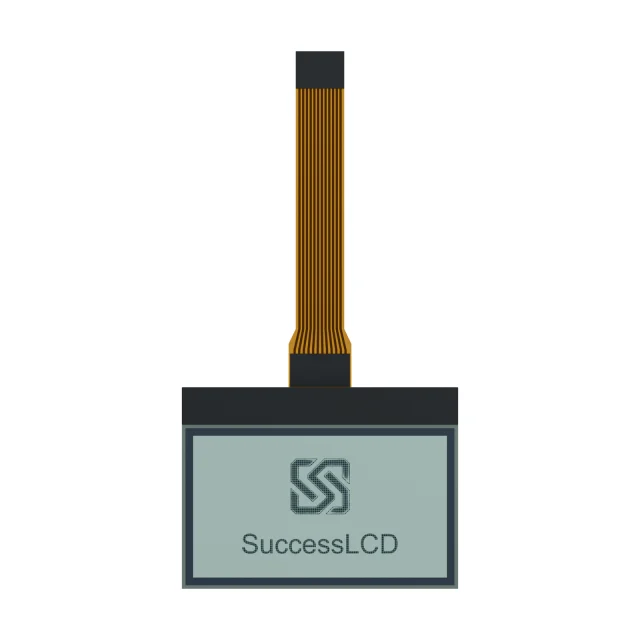
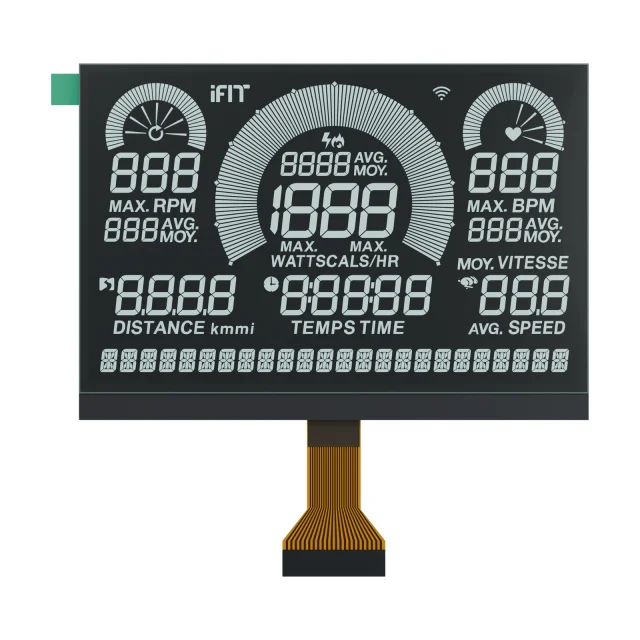
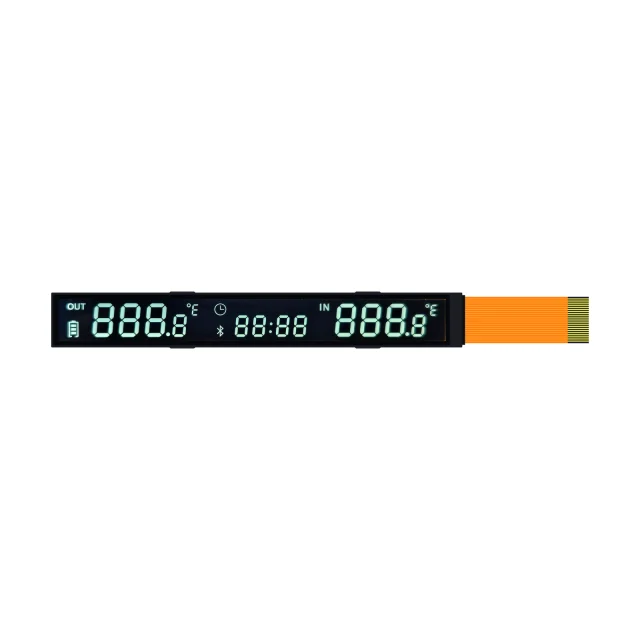
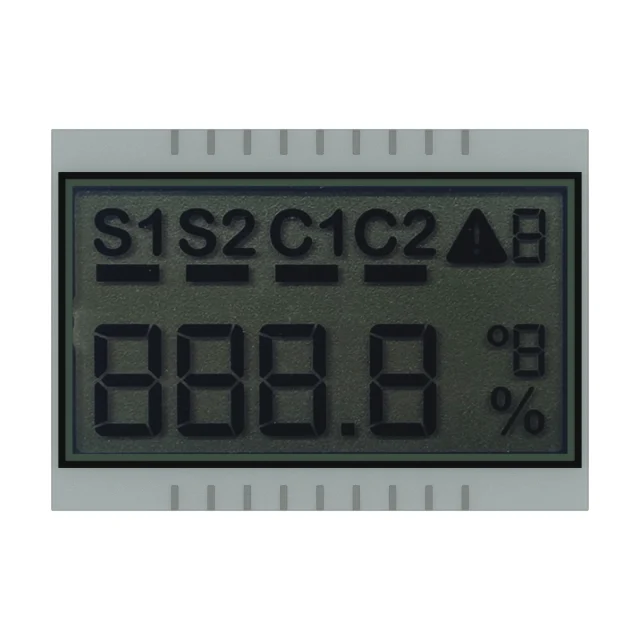
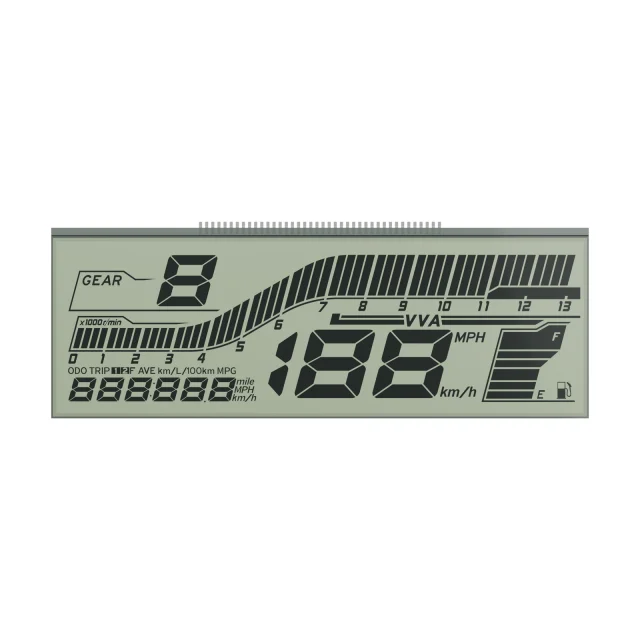
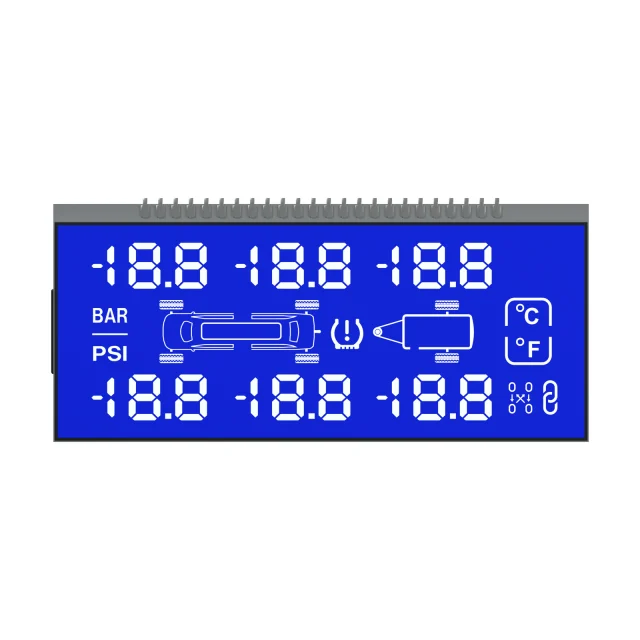
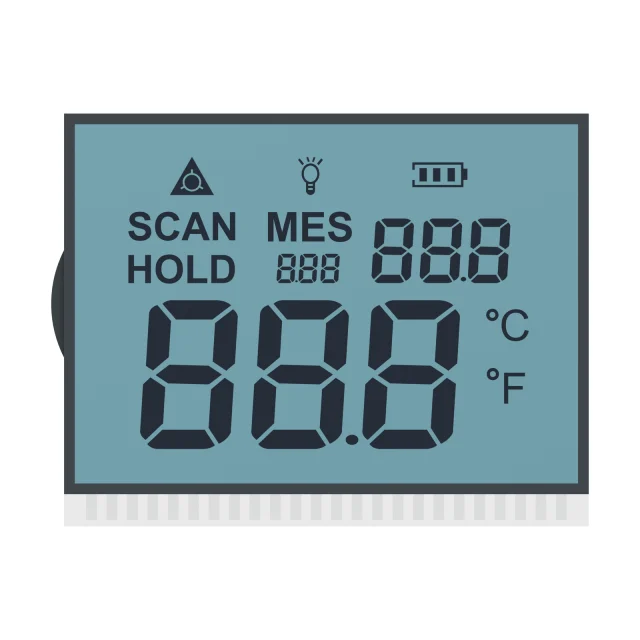
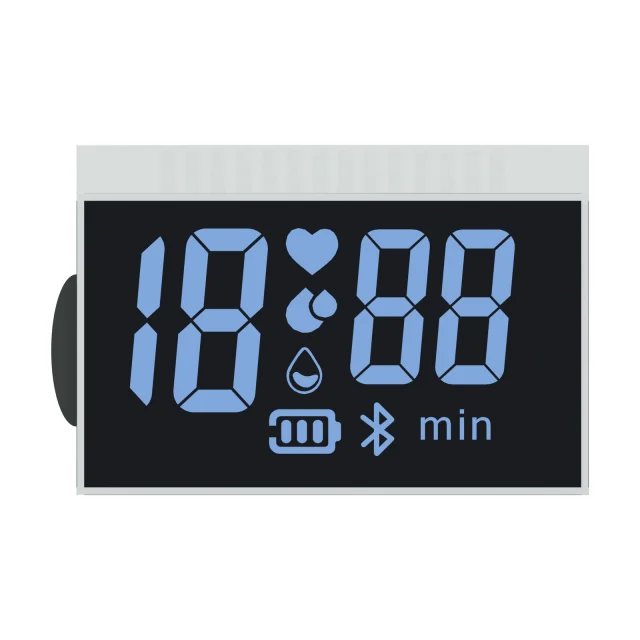
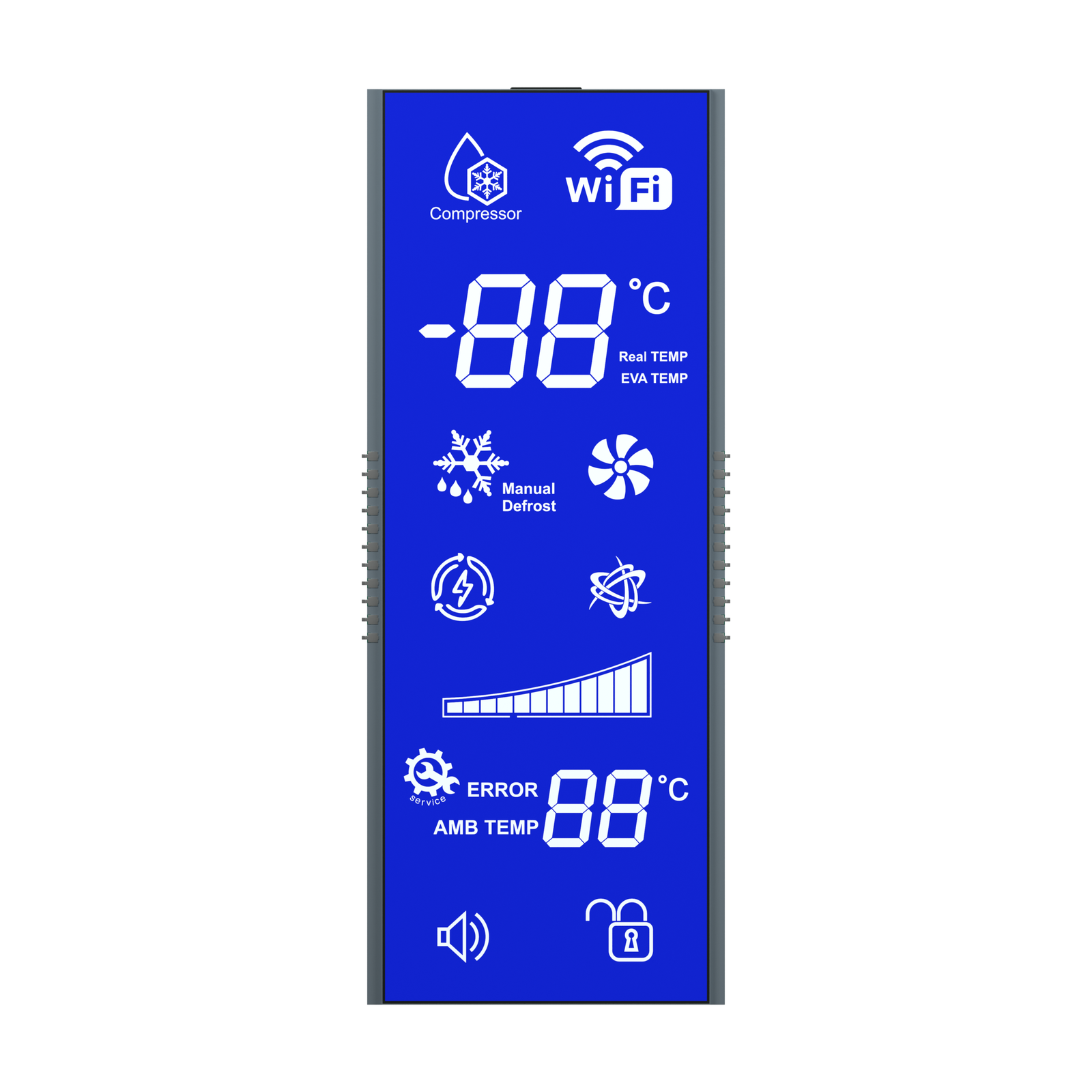
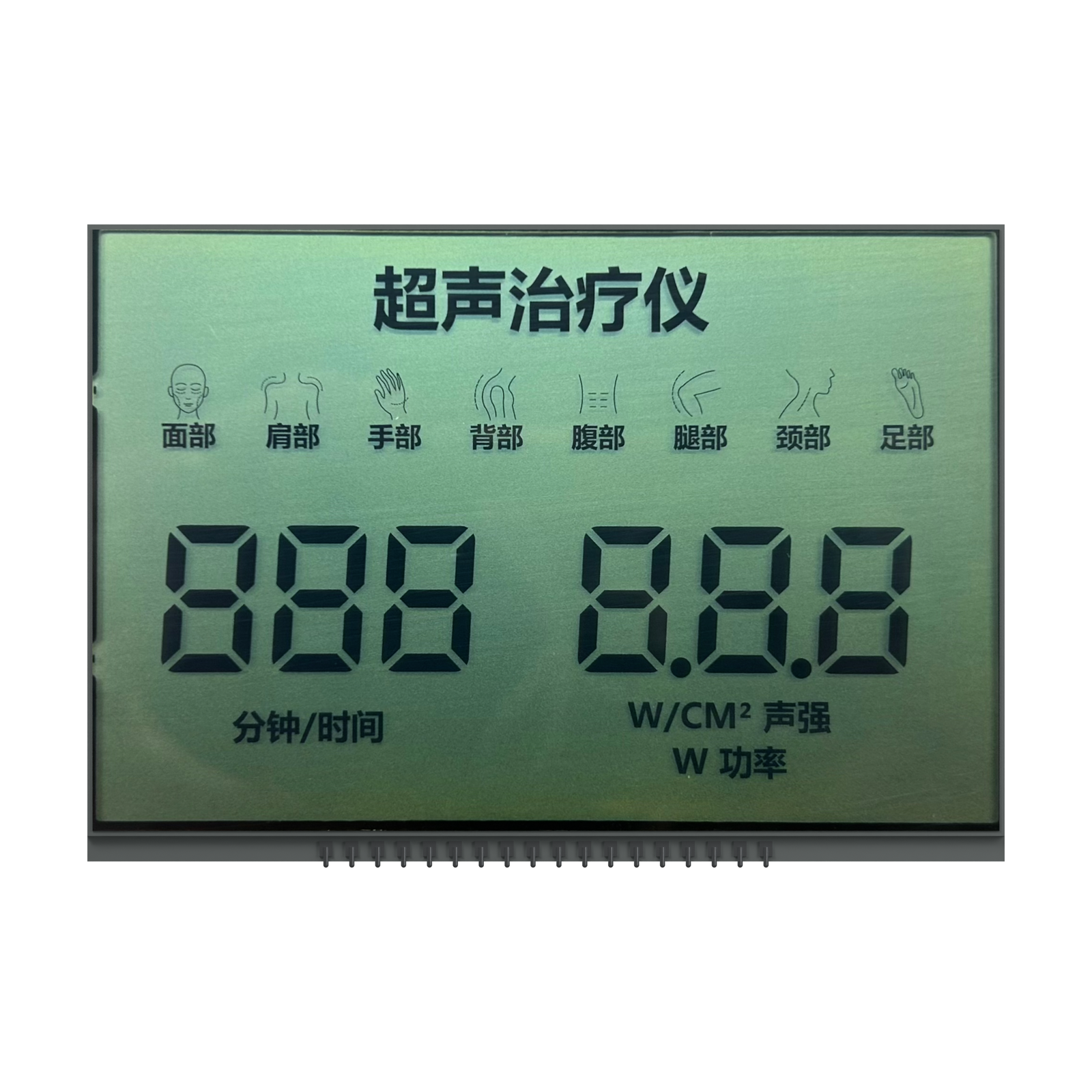
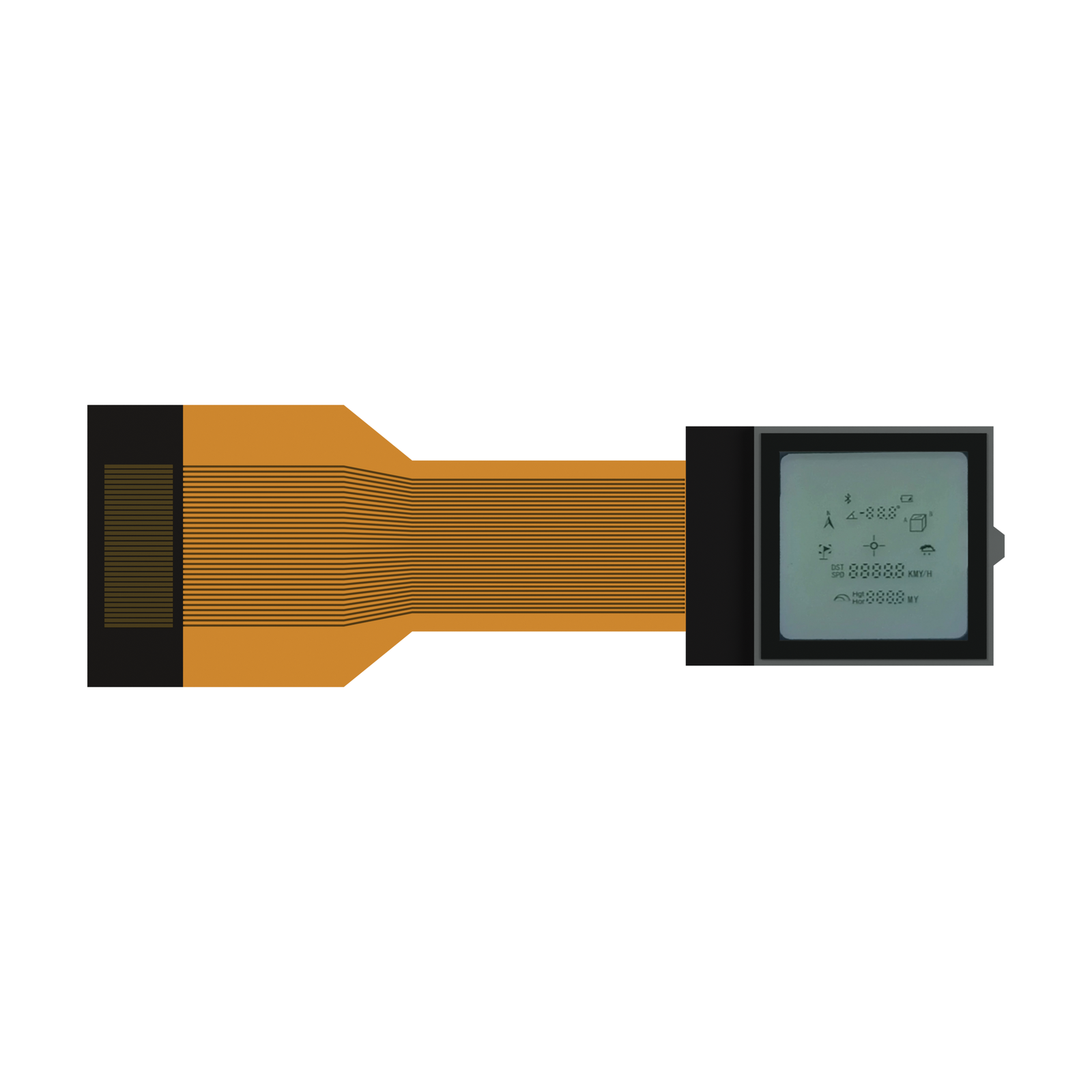
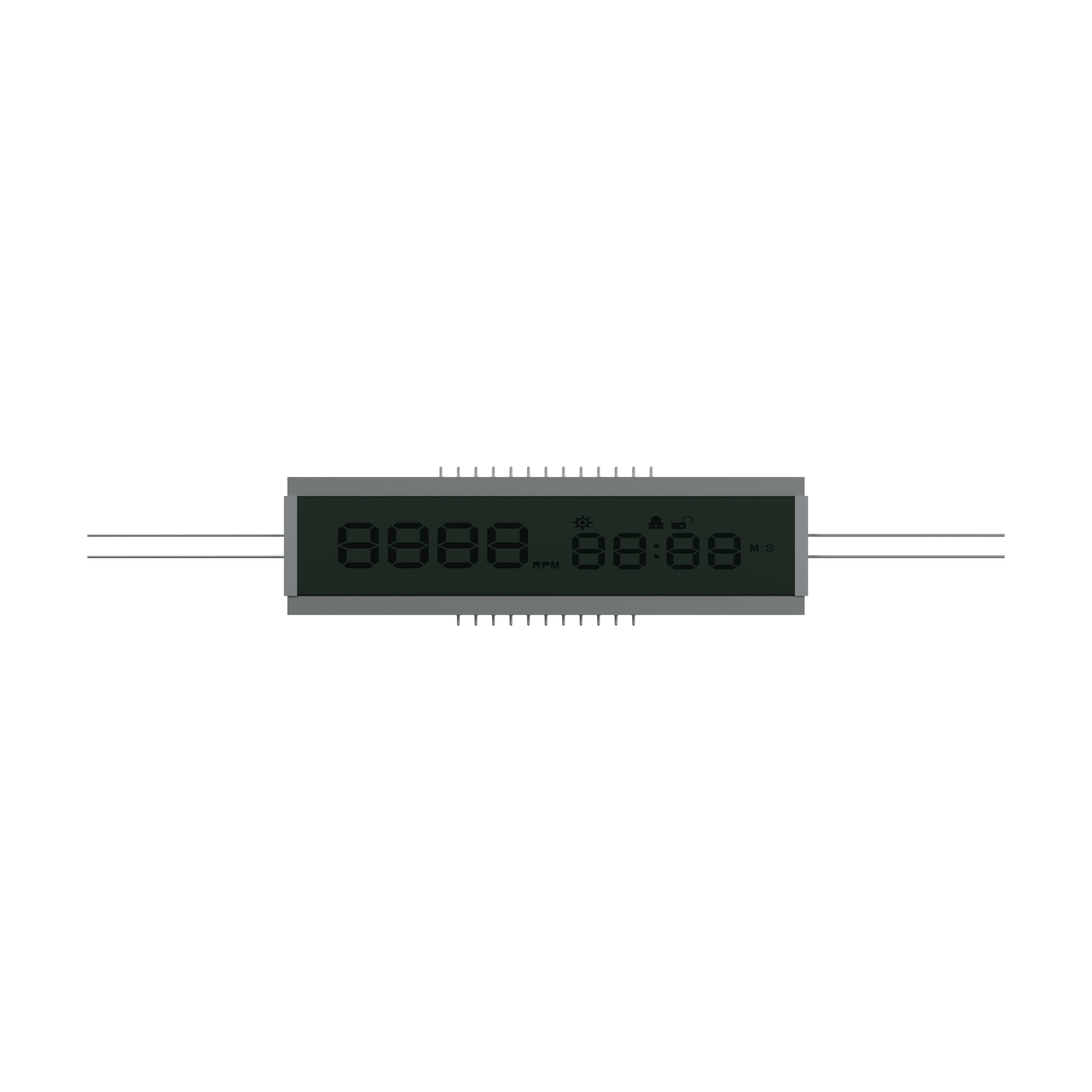
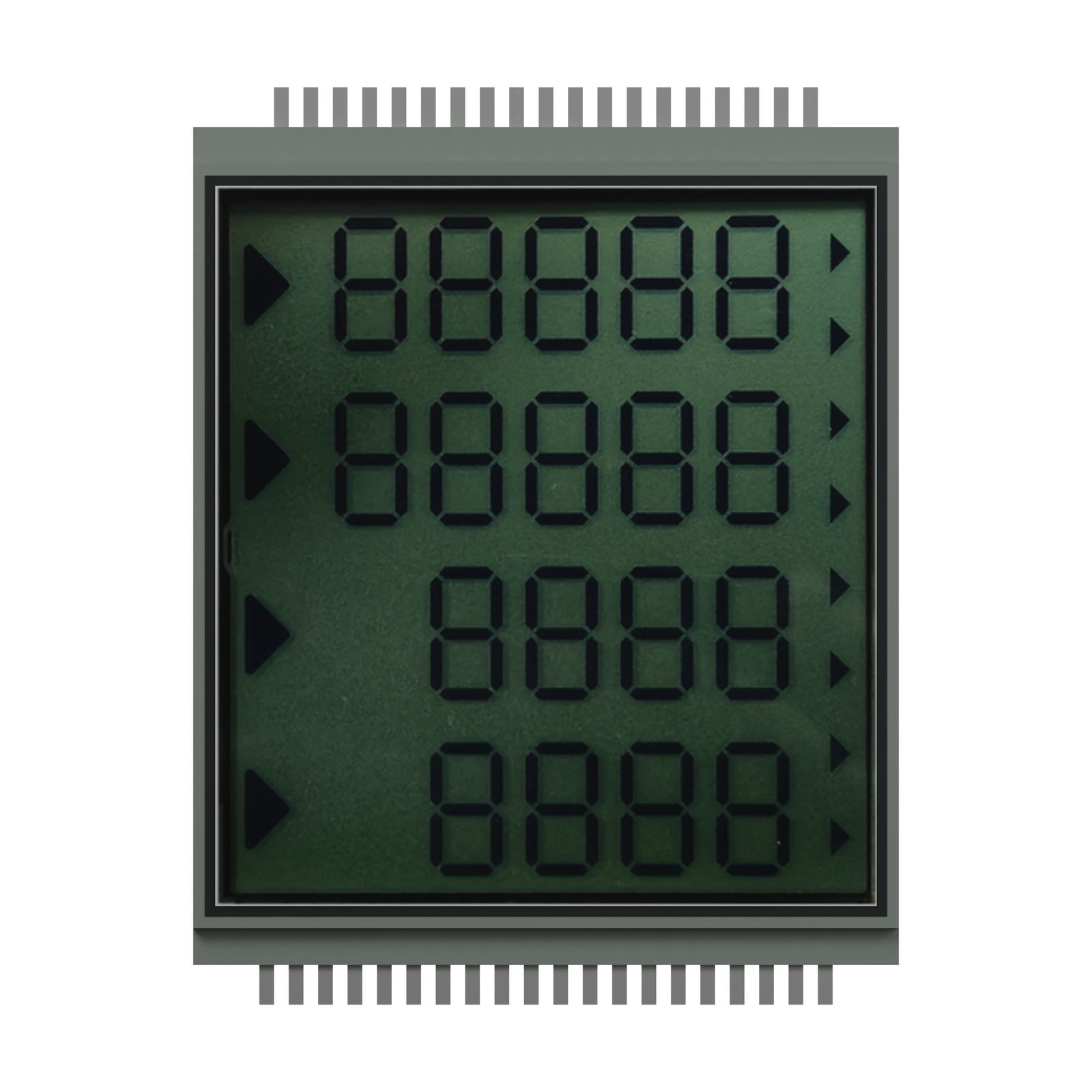
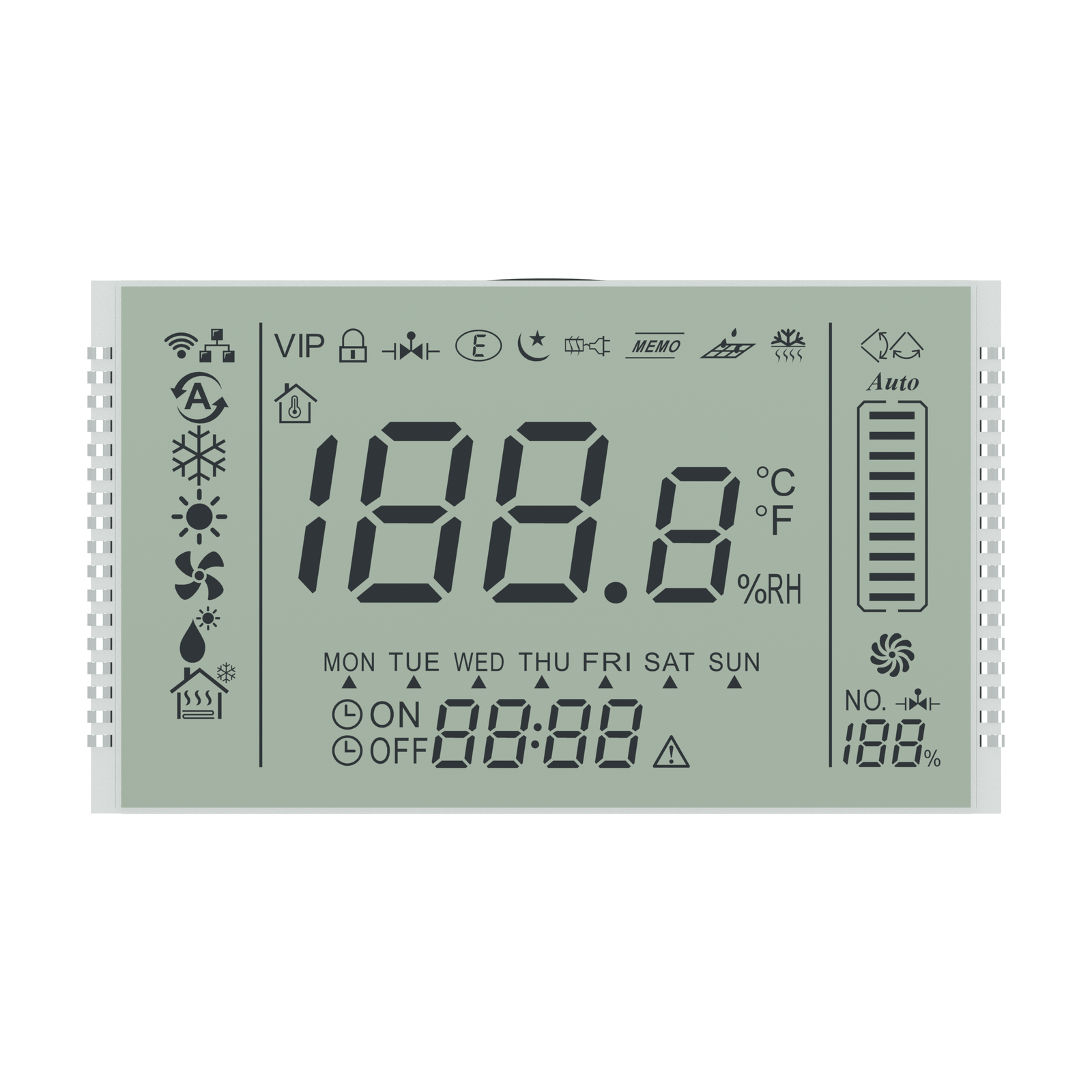
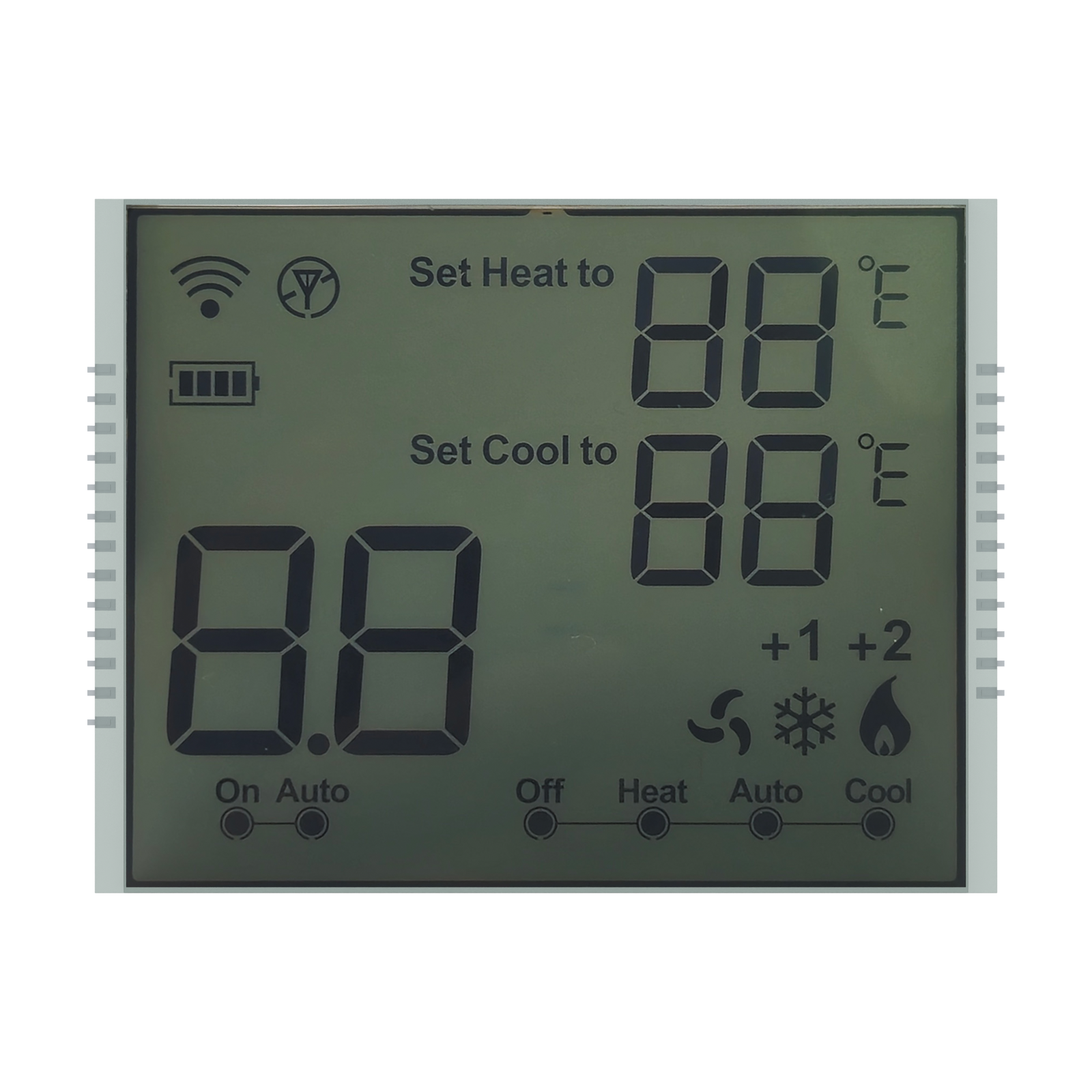
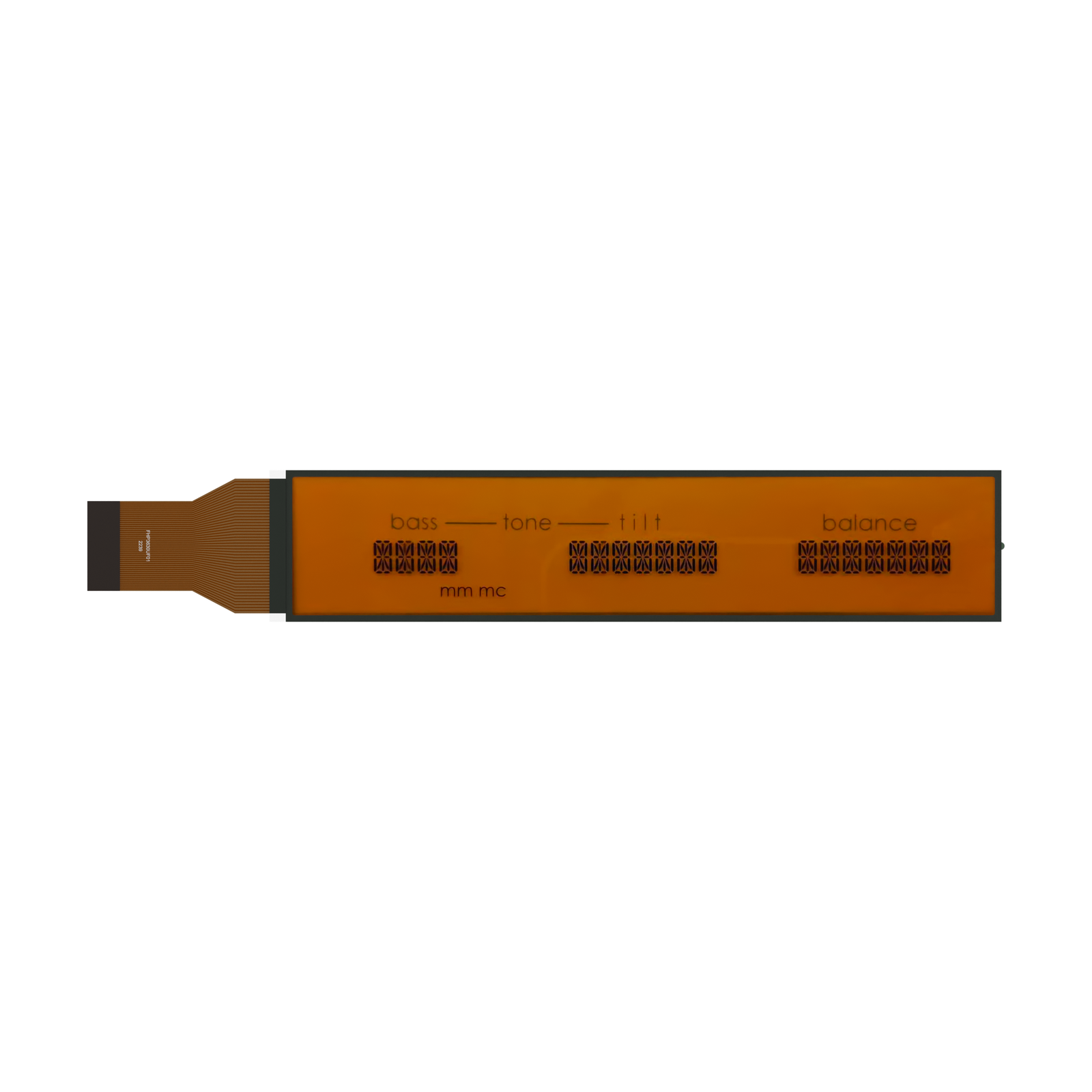
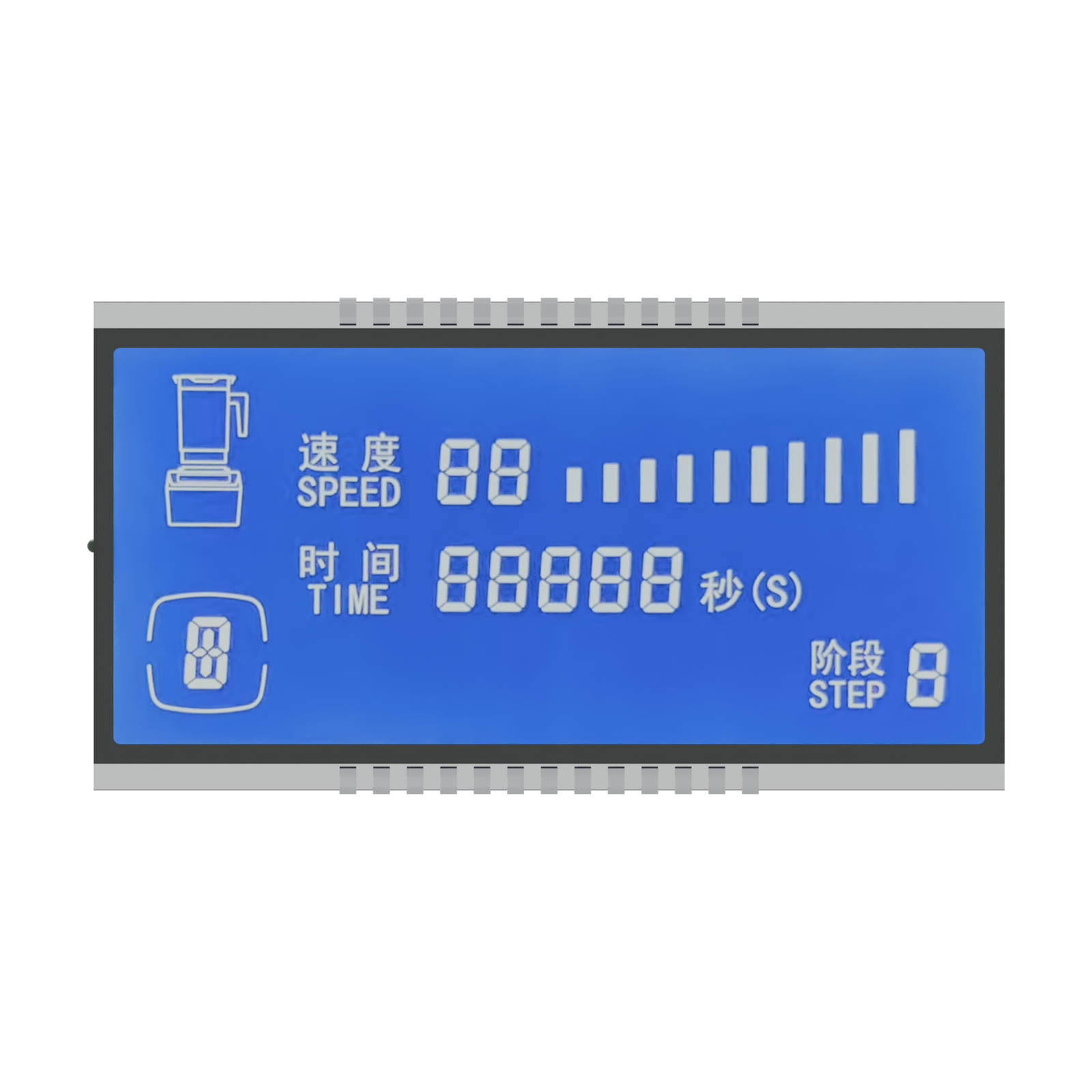
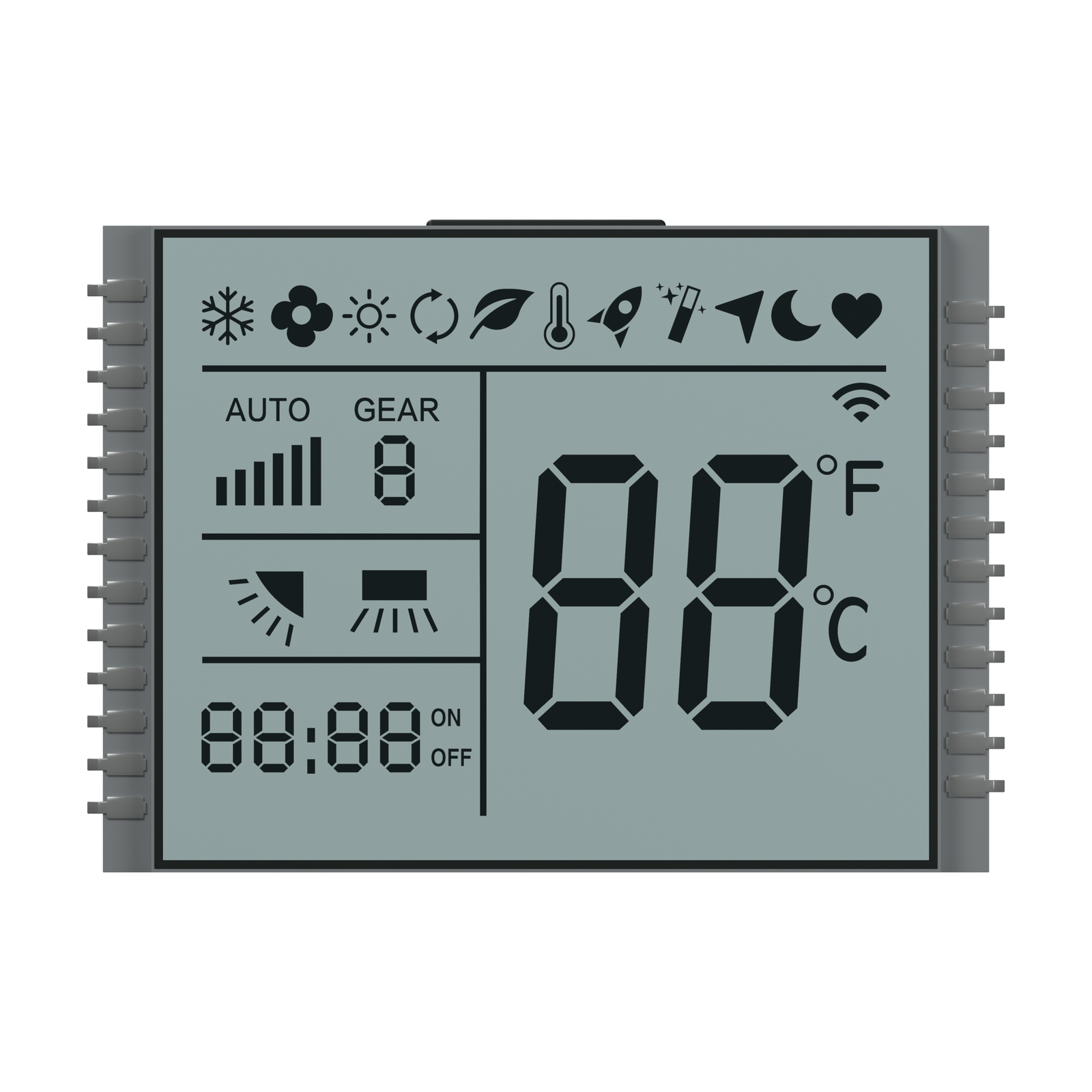
Mono LCD and LCM modules

Custom Mono LCD and LCM Modules

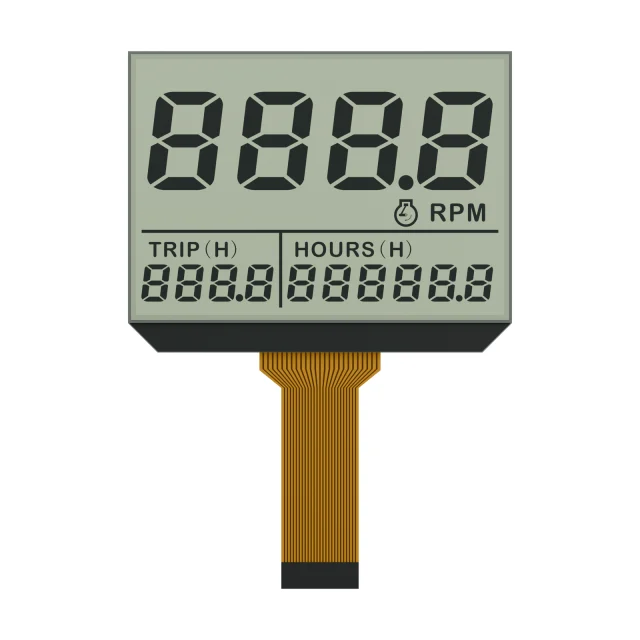
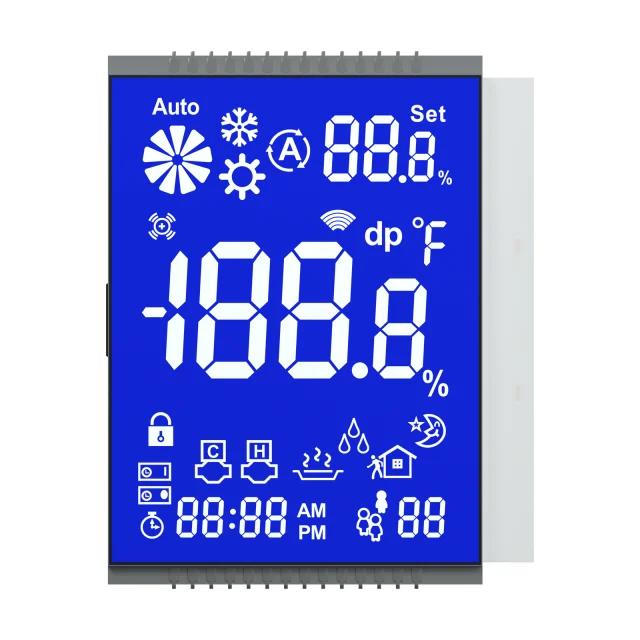
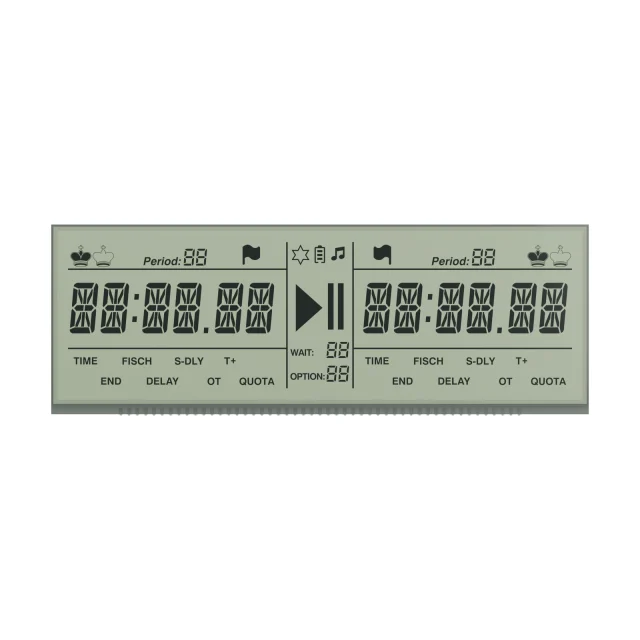
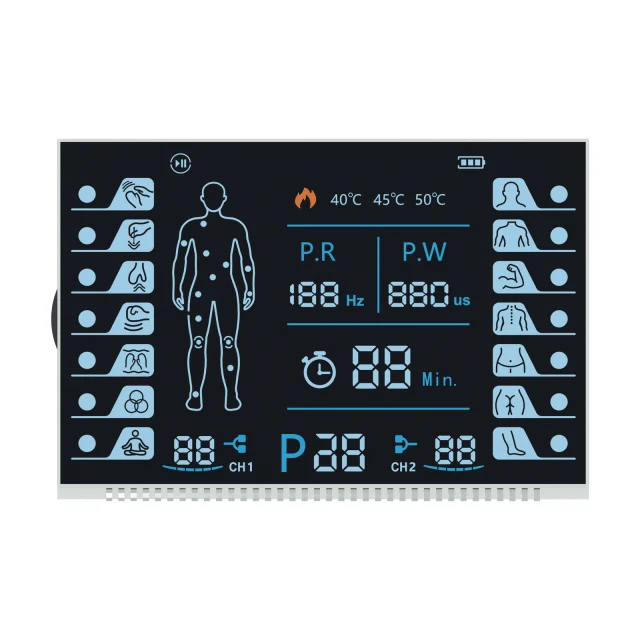
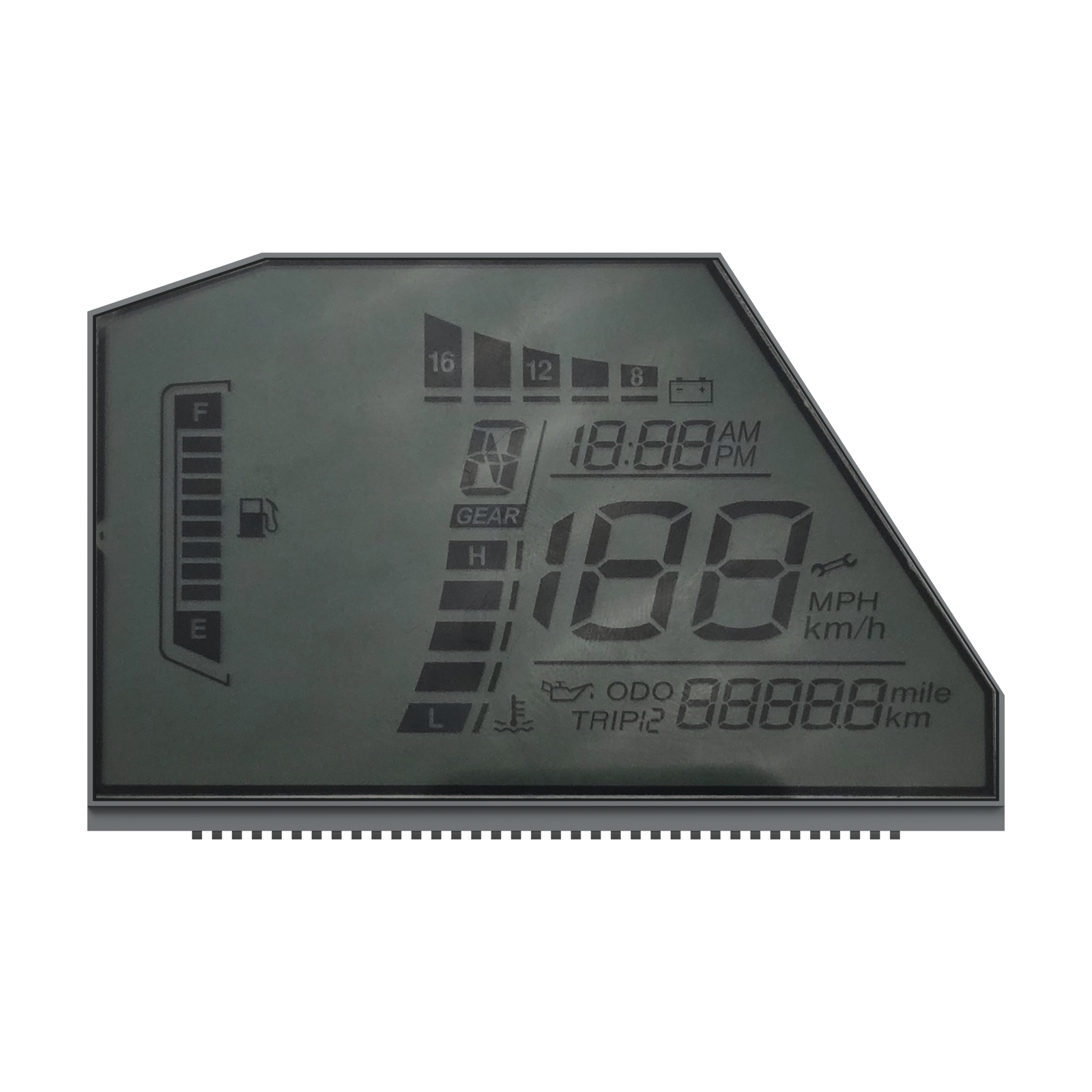
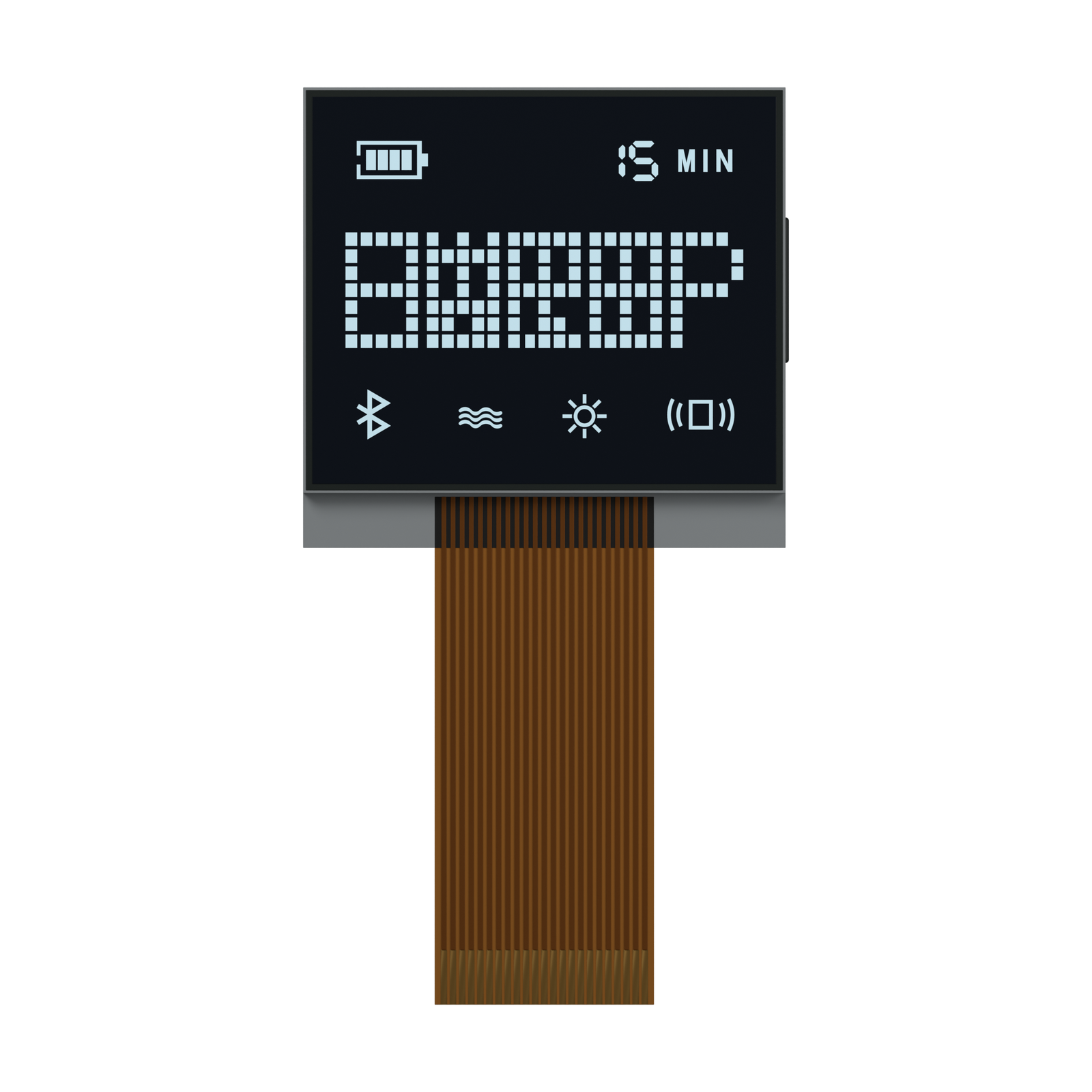
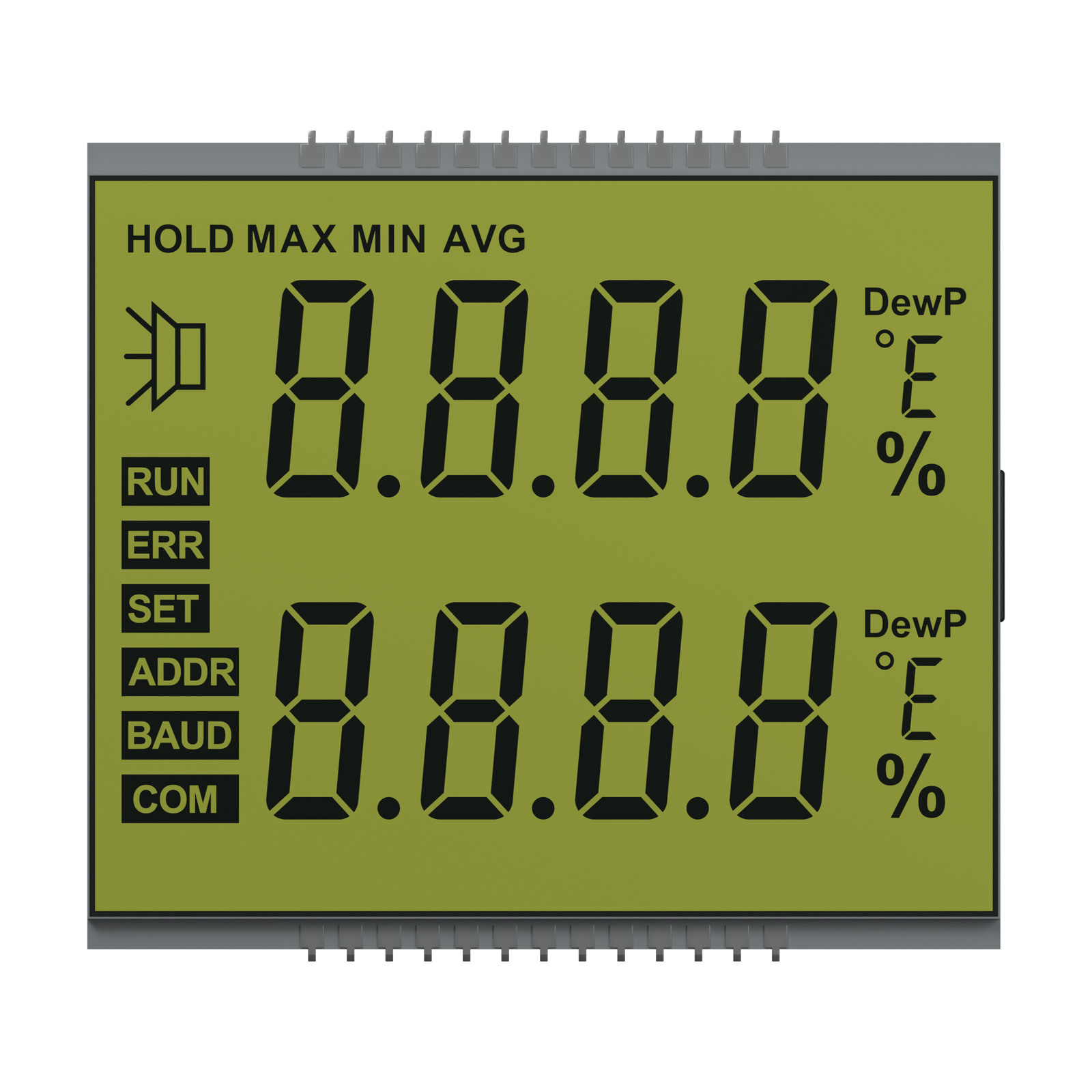
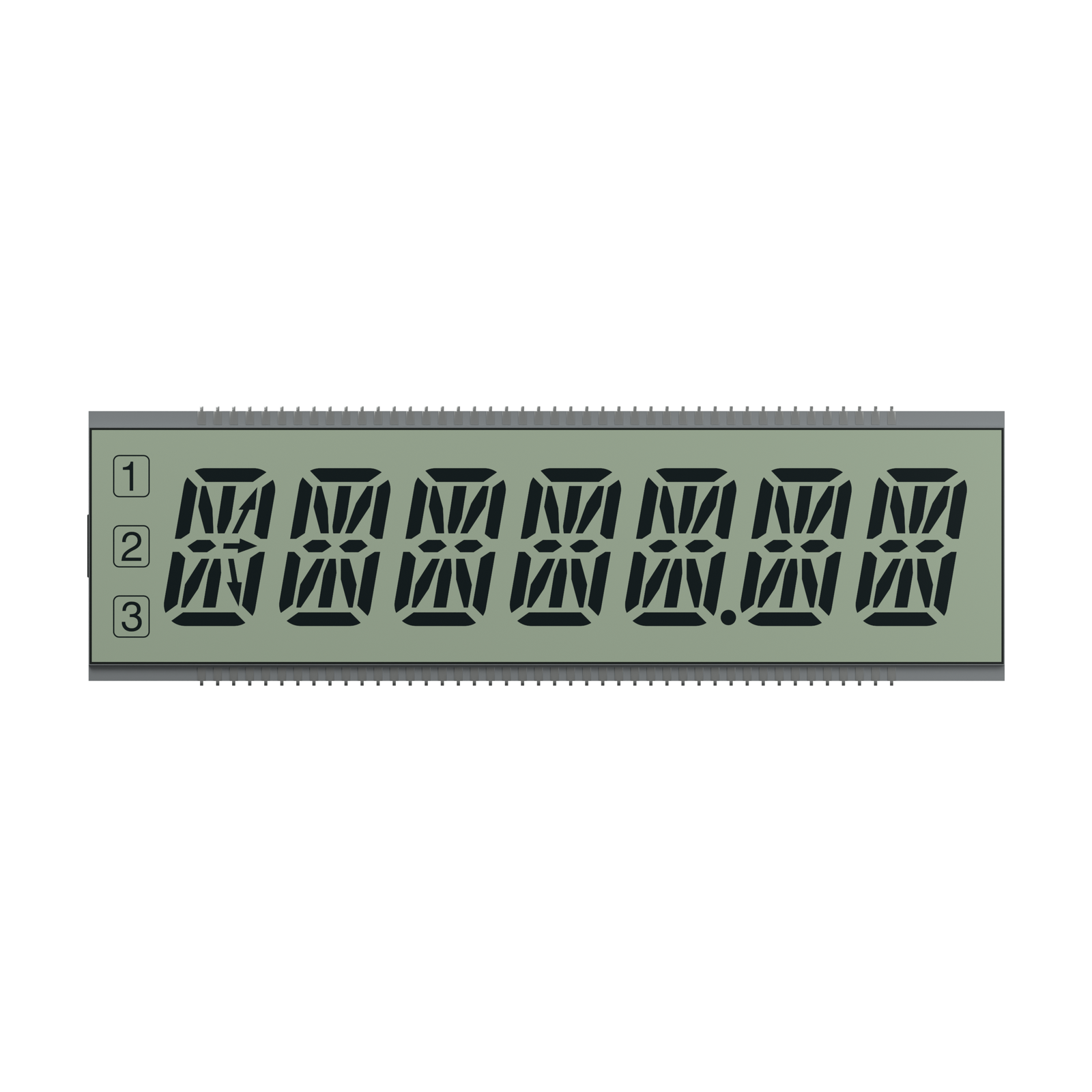
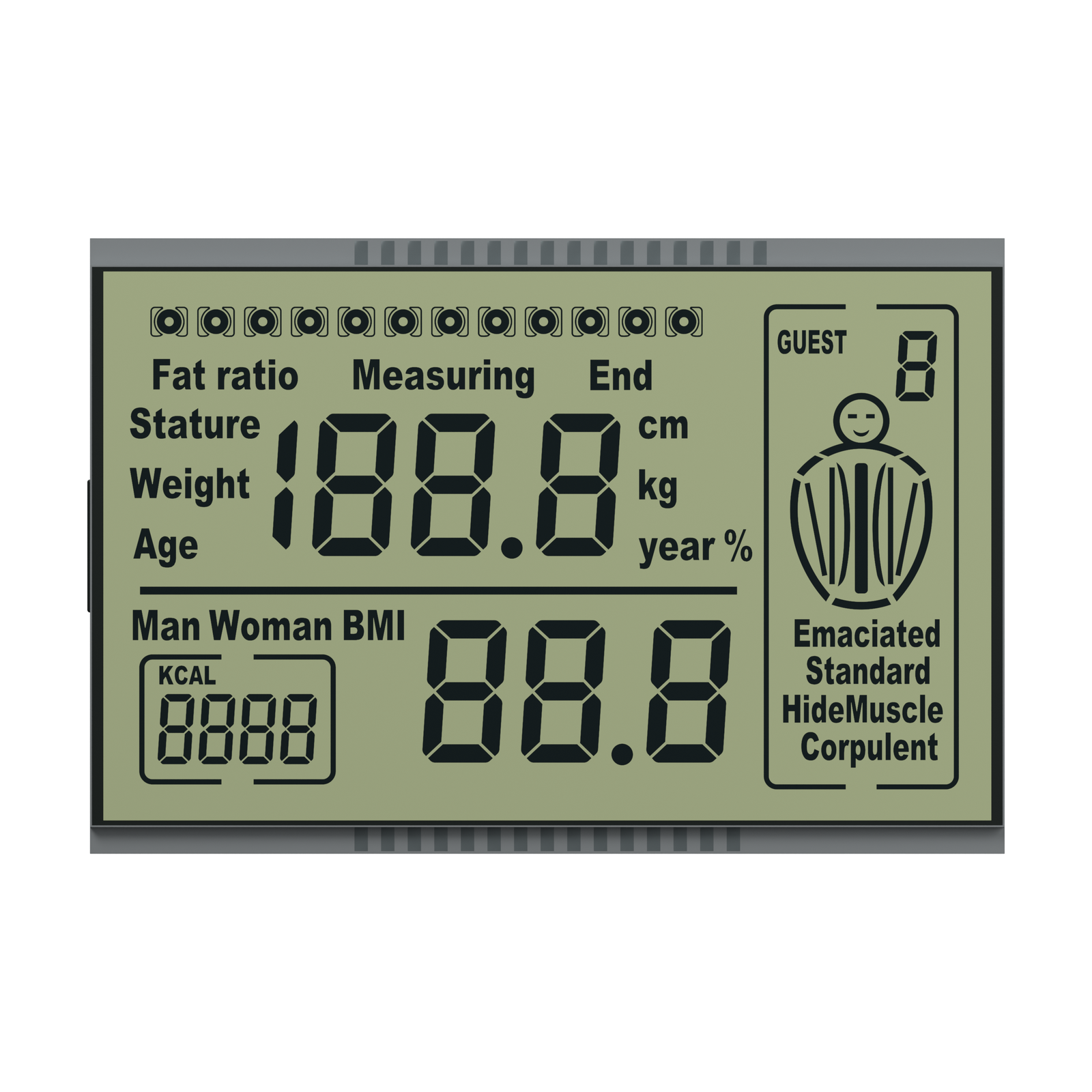
Custom segment LCD, dot matrix LCD and LCM module support for meters, instruments, controls, medical devices, automotive panels and handheld products.
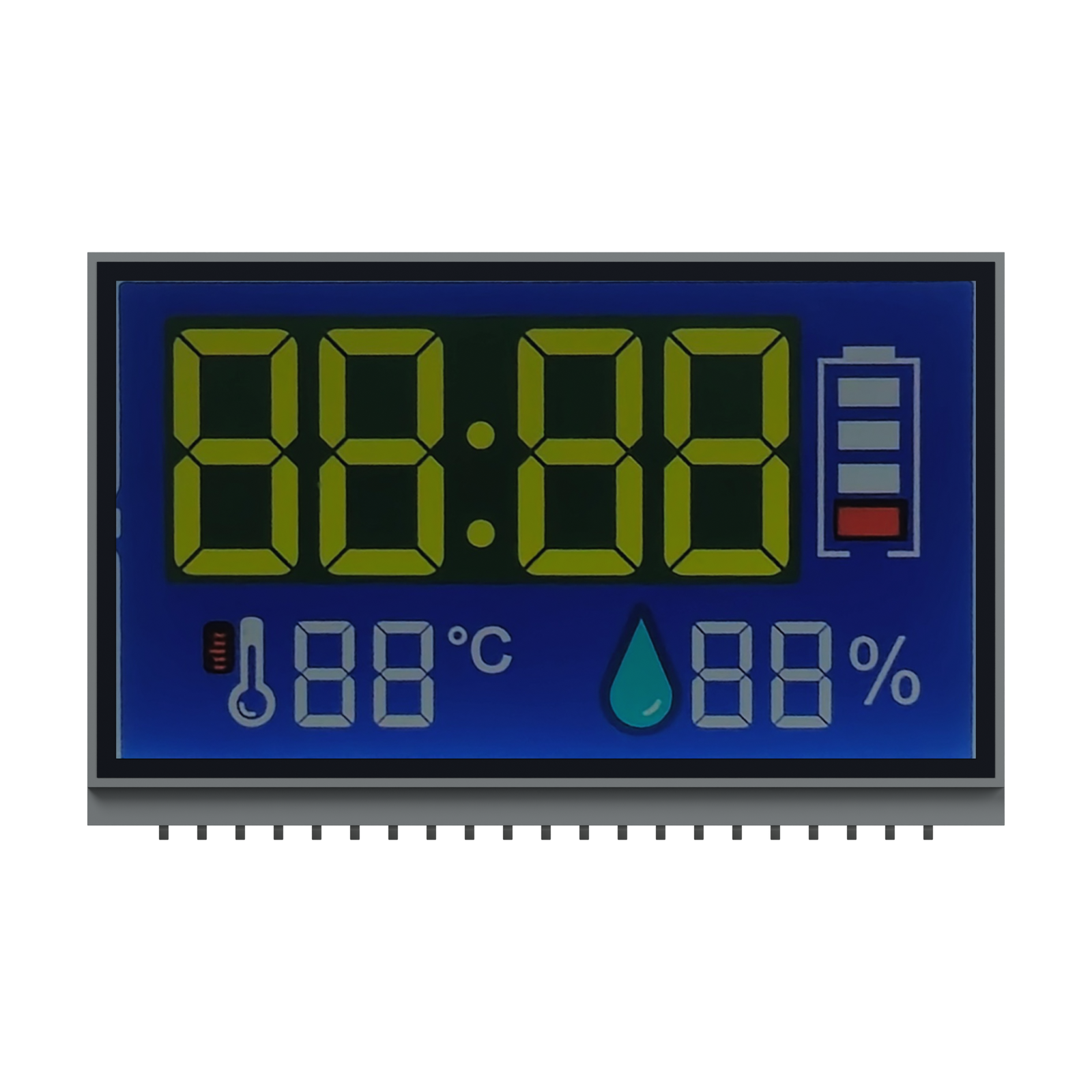
TN / HTN / STN / FSTN / VADisplay mode review
COG / COB / TABAssembly structure options
Segment + dot matrixLayout customization
Metering / HMI / automotiveApplication fit

Product paths

Choose the Mono LCD Structure First

Mono LCD projects usually start with display mode, viewing condition, driving method and assembly structure. These choices affect readability, power use, tooling and long-term supply.
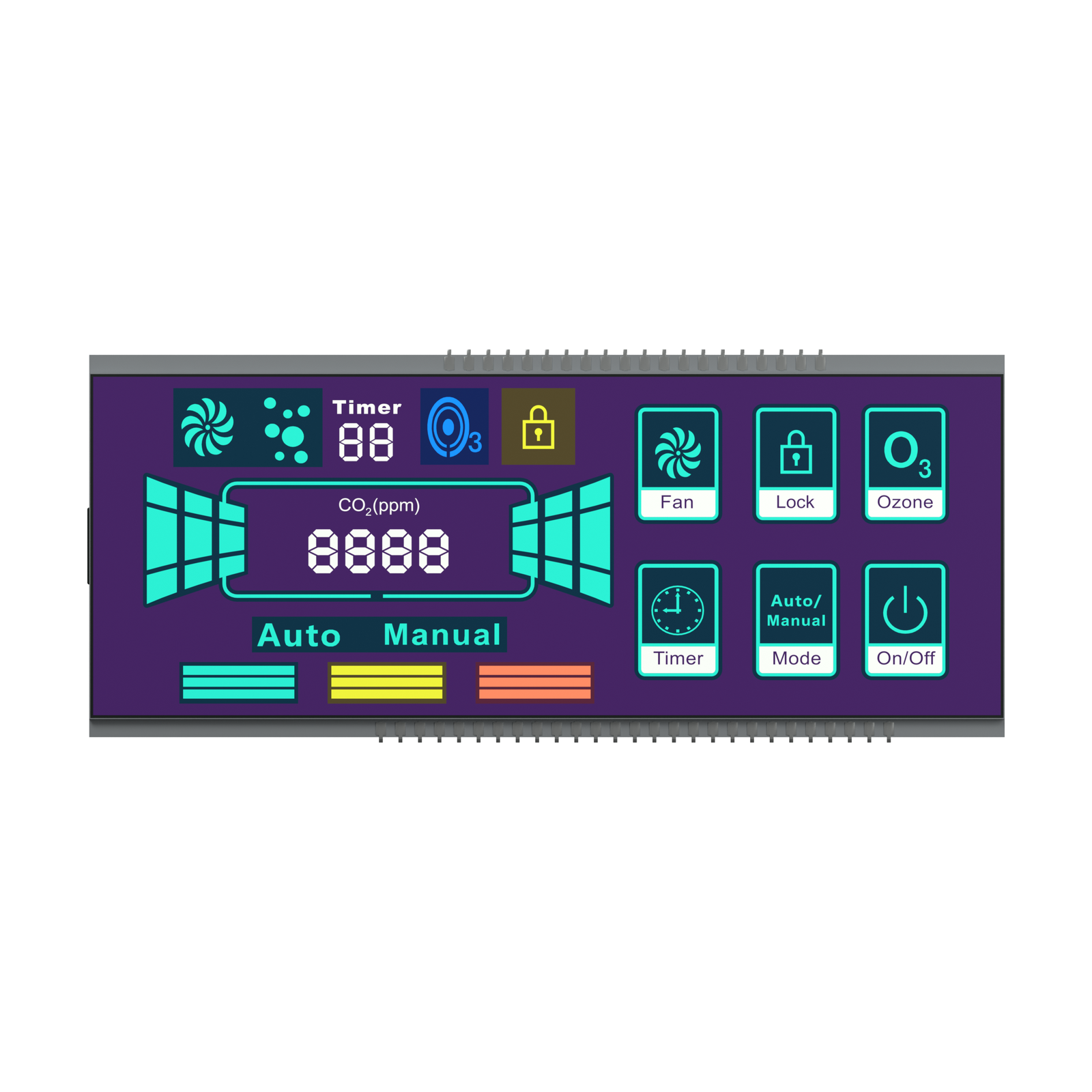
Common path

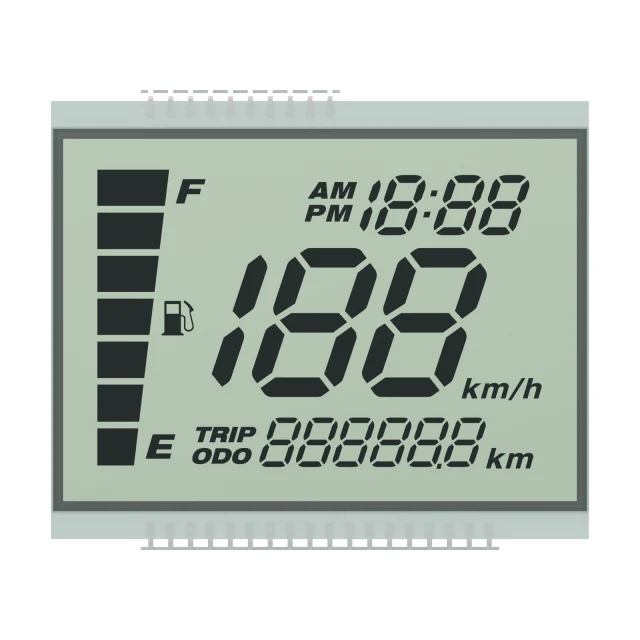
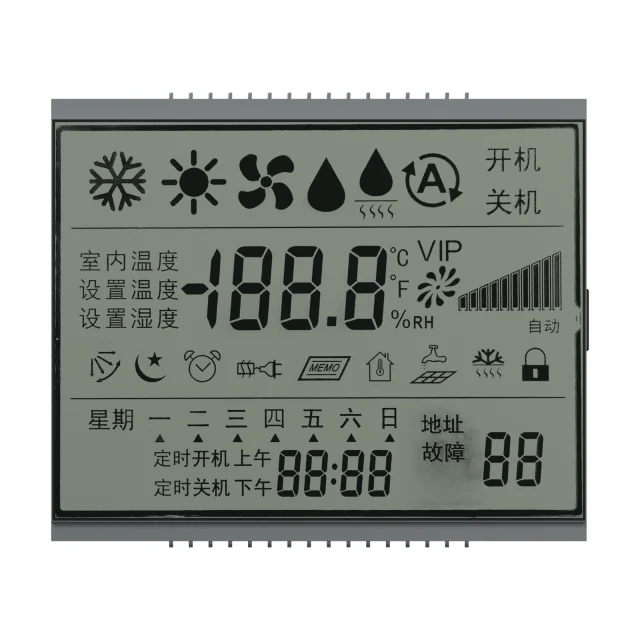
Segment LCD

For fixed icons, digits, meters, thermostats, controllers and products that need clear status information.

Common path

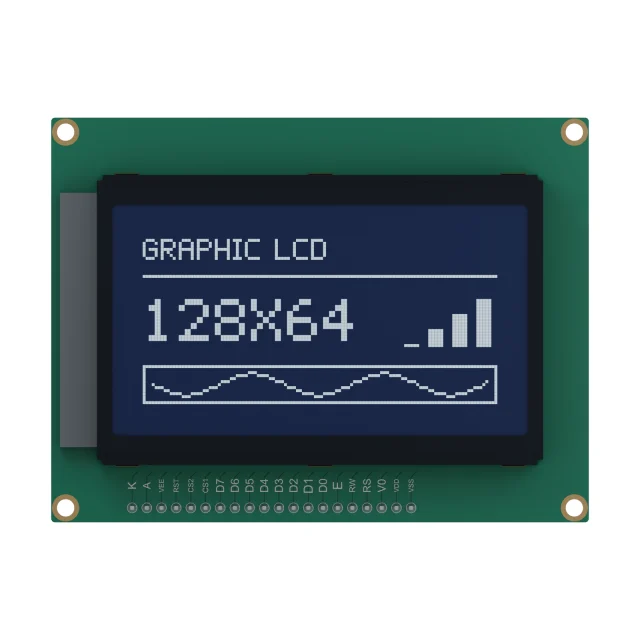
Dot Matrix LCM

For text, simple menus, symbols and mixed content where a controller board or module structure is needed.

Visual path

VA High Contrast LCD

For black-background displays, automotive panels, appliances and user interfaces that need strong contrast.

Assembly path

COG / COB / TAB LCM

For products where thickness, PCB layout, connector routing, durability or enclosure space drives the design.

Engineering scope

Mono LCD Details to Confirm Before Tooling

A custom mono LCD is shaped by display mode, glass outline, duty and bias, viewing direction, backlight, connector and environmental requirements.

  • Display modeTN, HTN, STN, FSTN, DFSTN, VA or FSLCD direction.
  • Display contentSegment icons, digits, dot matrix area or mixed layout.
  • Assembly structureCOG, COB, TAB or custom LCM module format.
  • Electrical designDuty, bias, driving voltage, IC selection and connector pinout.
  • Glass and outlineGlass size, view area, thickness, drilling, cutting and mounting limits.
  • Optical requirementPositive or negative mode, polarizer, backlight and viewing direction.
  • Use environmentIndoor, outdoor, vehicle, medical, industrial or handheld conditions.
  • Supply planningSample stage, tooling, expected volume and lifecycle requirement.
Mono LCD and LCM module structure example

Display options

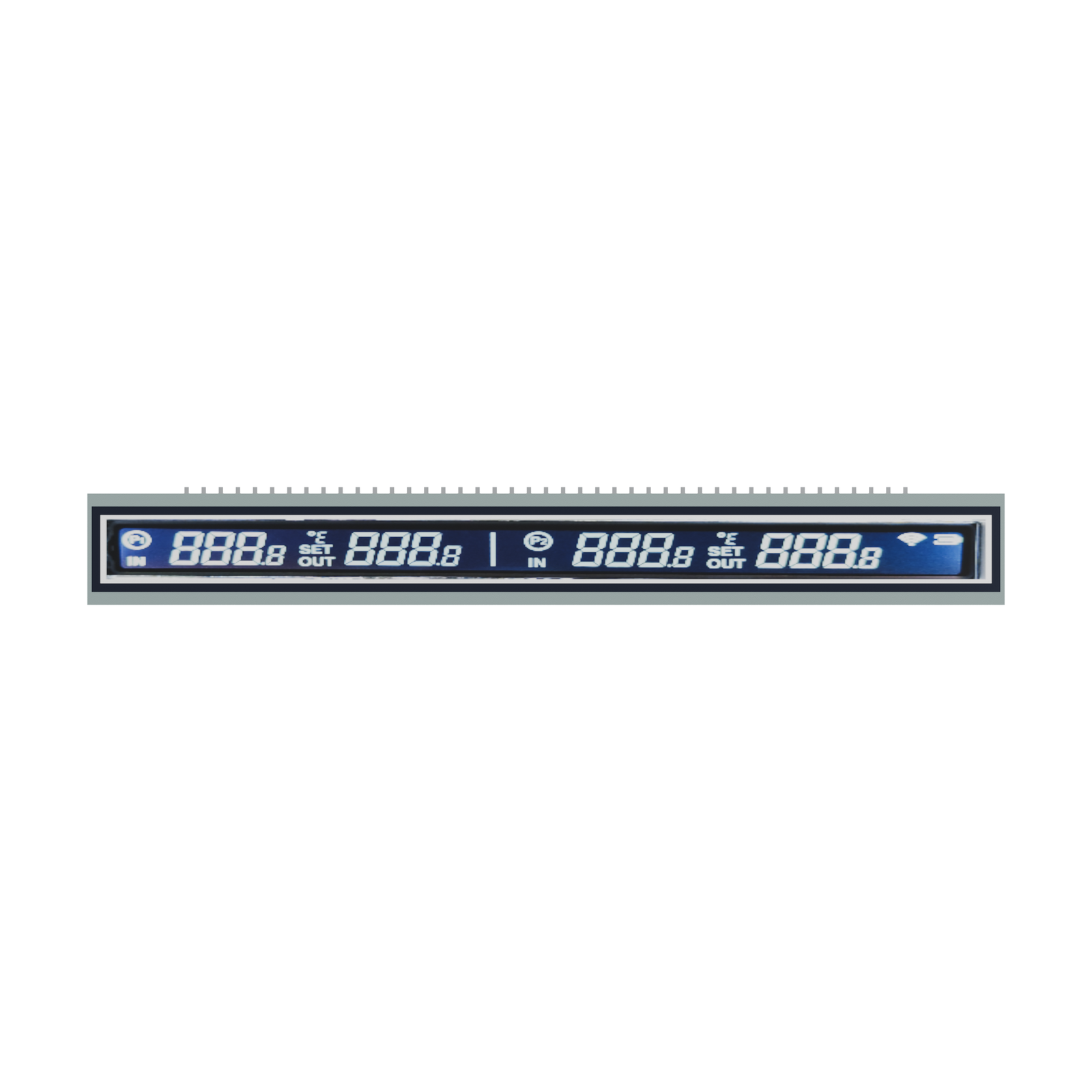
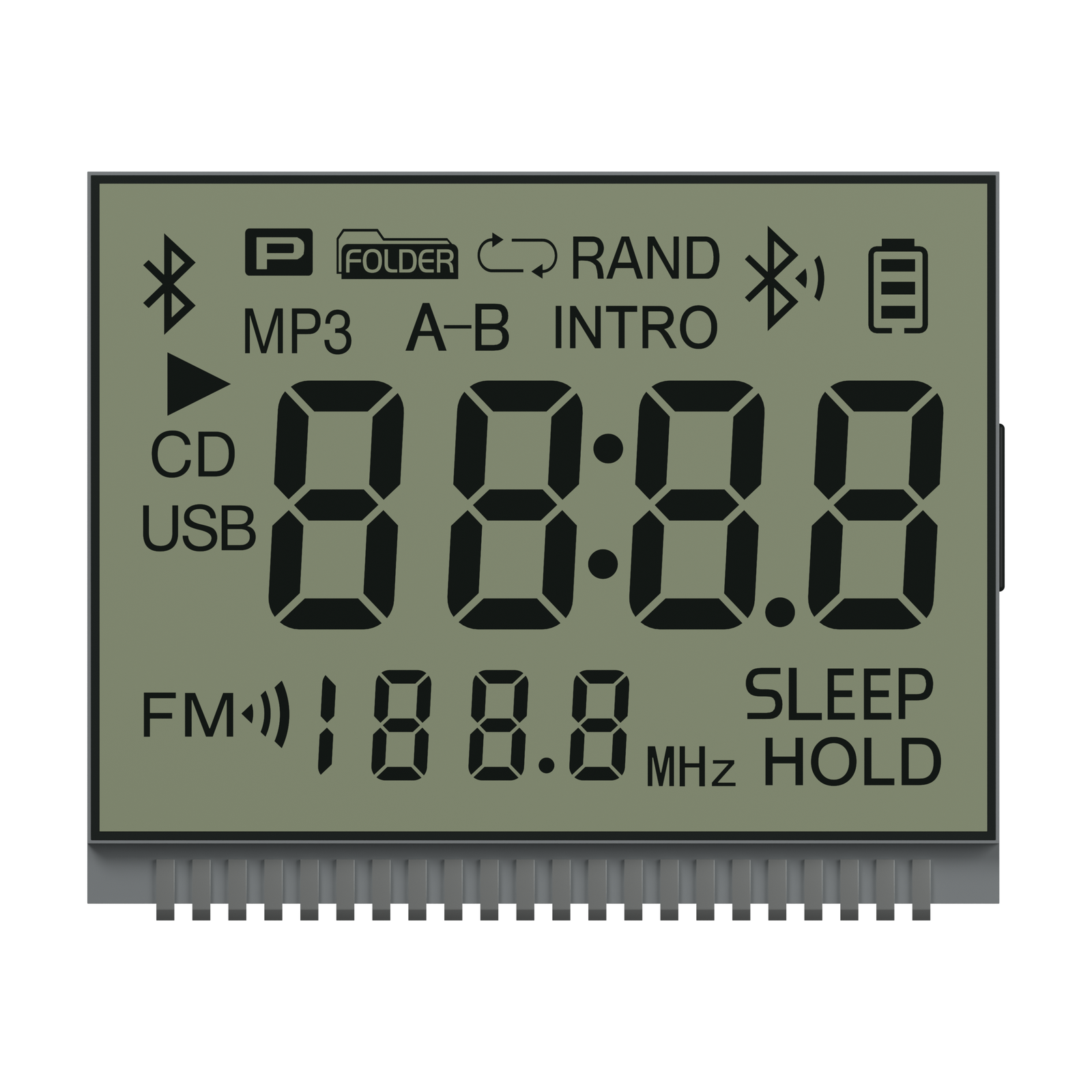
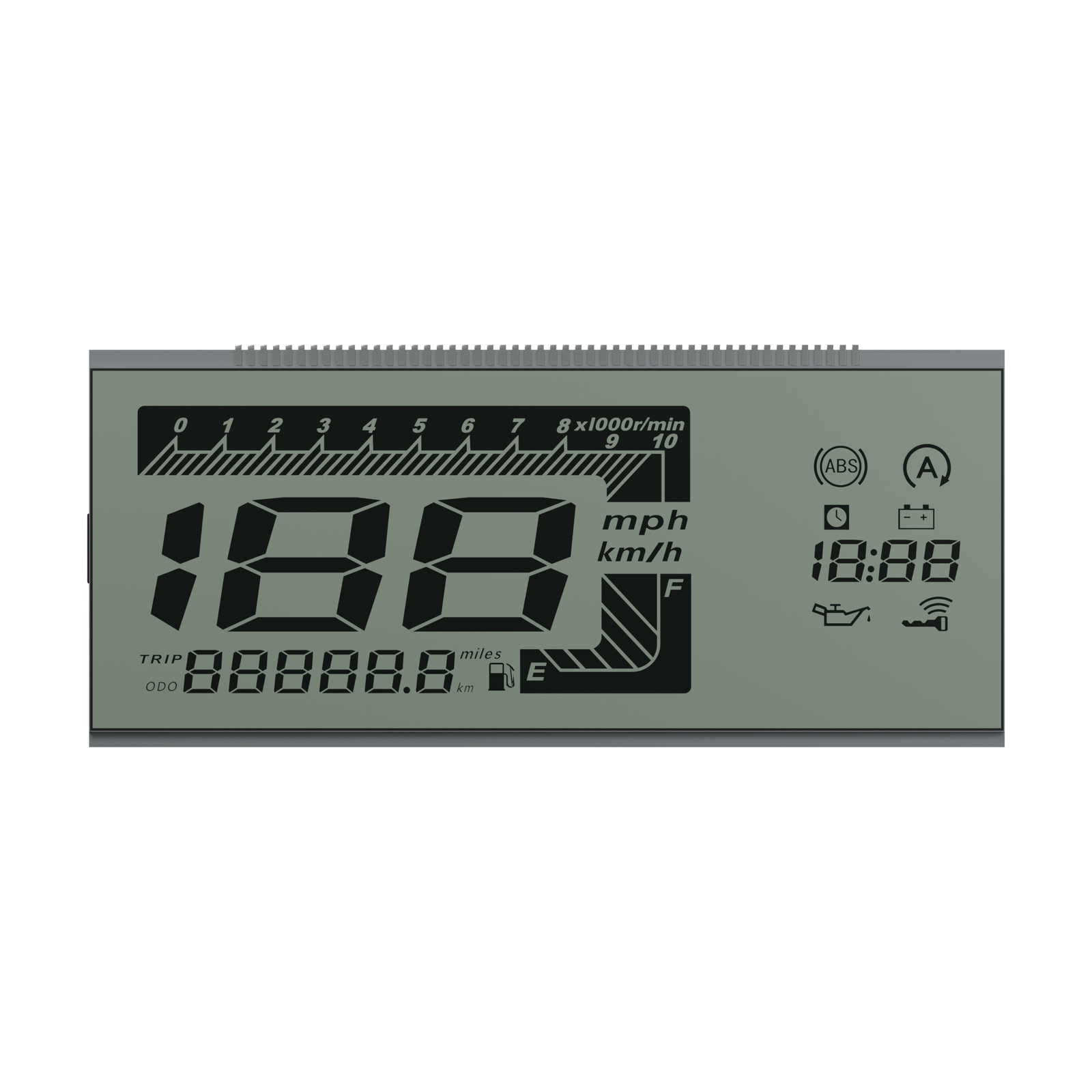
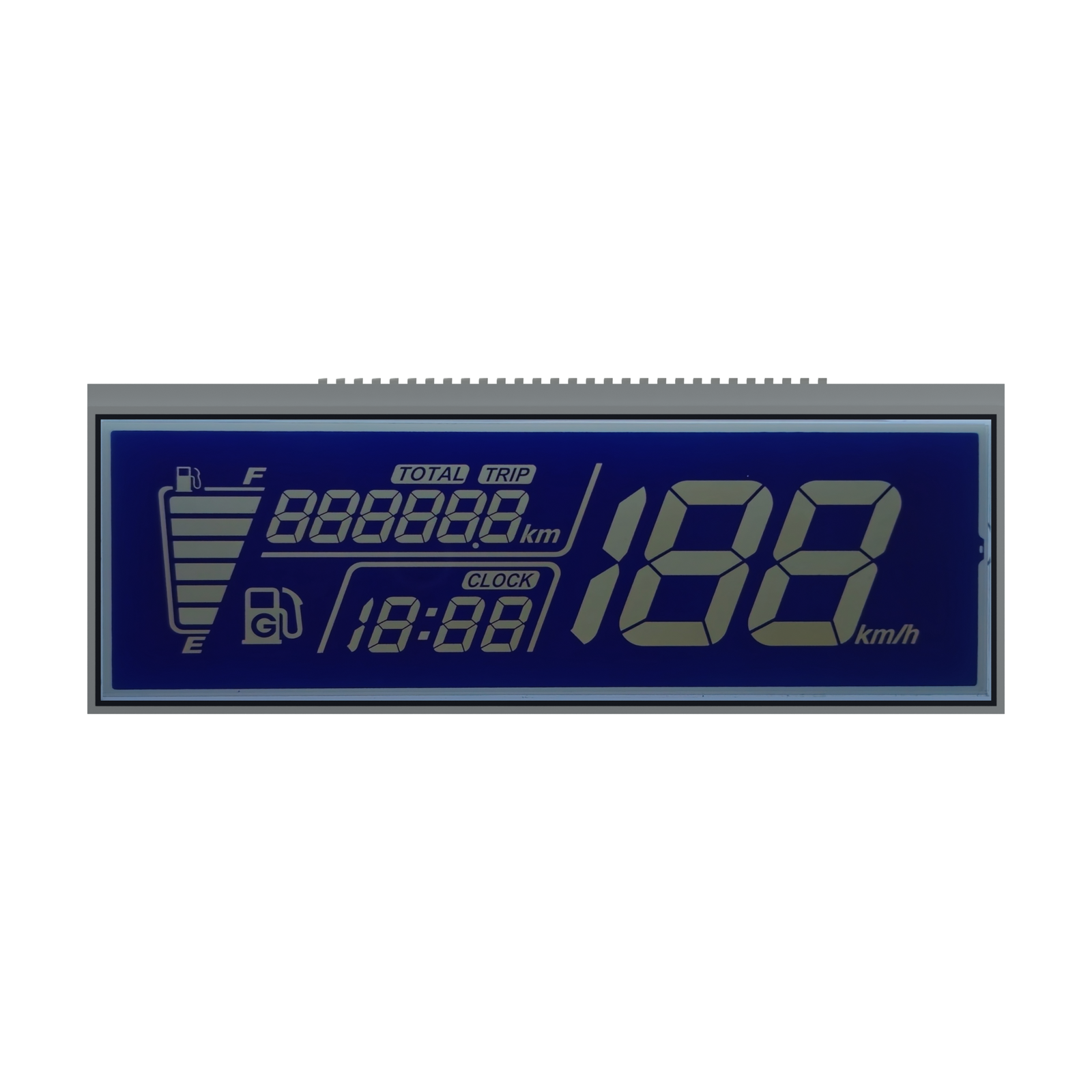
Representative Mono LCD Configurations

These examples show common visual directions. Final glass outline, icon layout, viewing mode, connector and backlight details are reviewed by project.

01
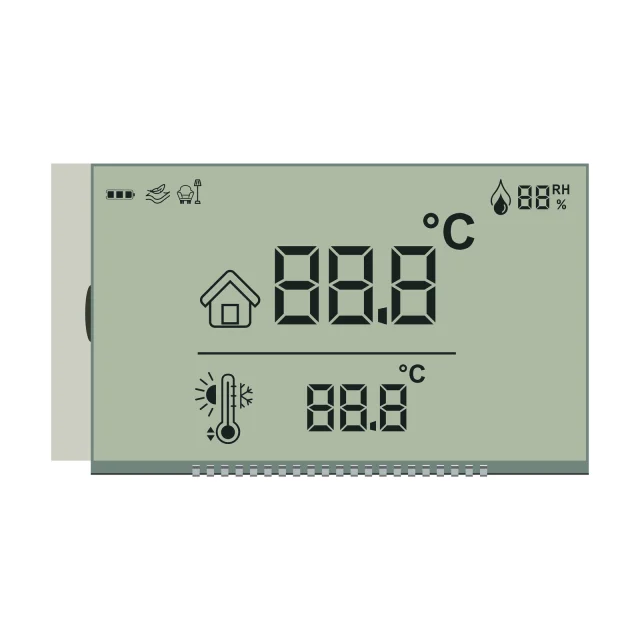
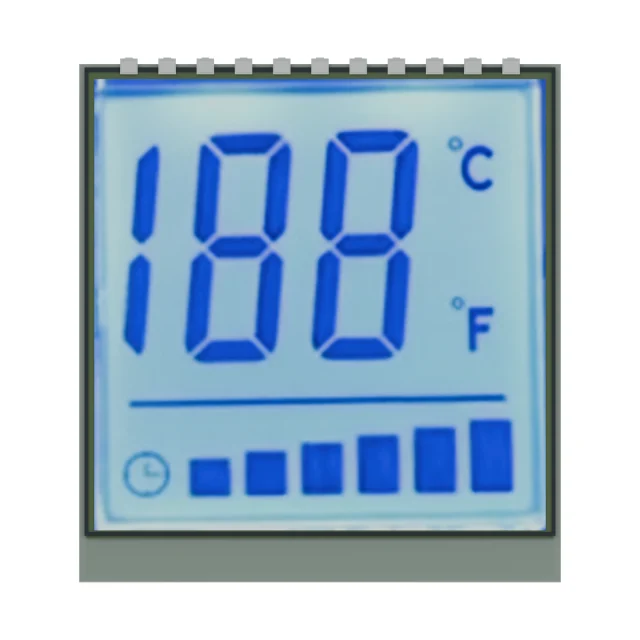
TN positive segment LCD example

TN Positive Segment

SegmentCost-sensitive
02
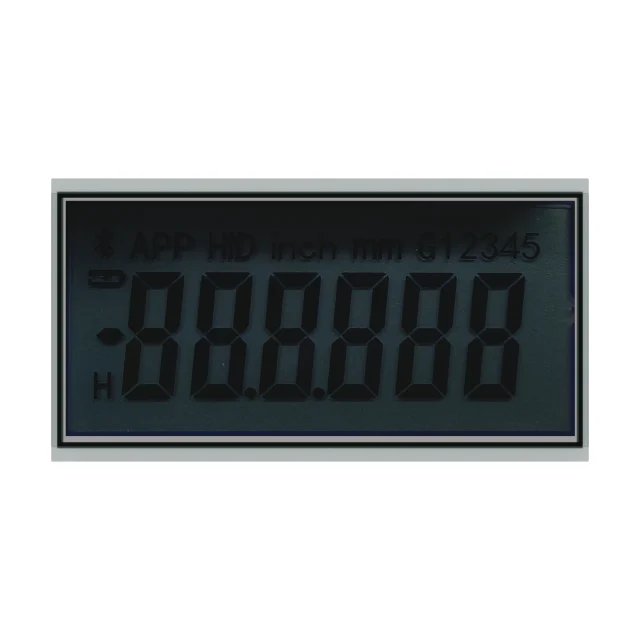
HTN negative LCD example

HTN Negative LCD

Negative modeHigher contrast
03
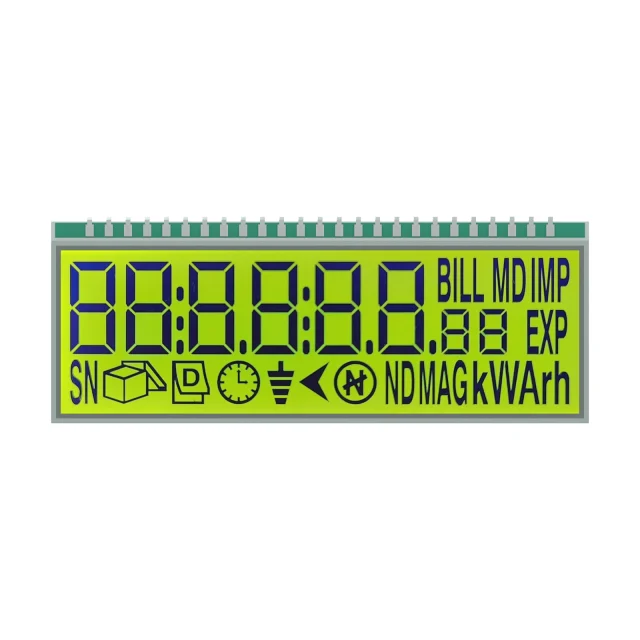
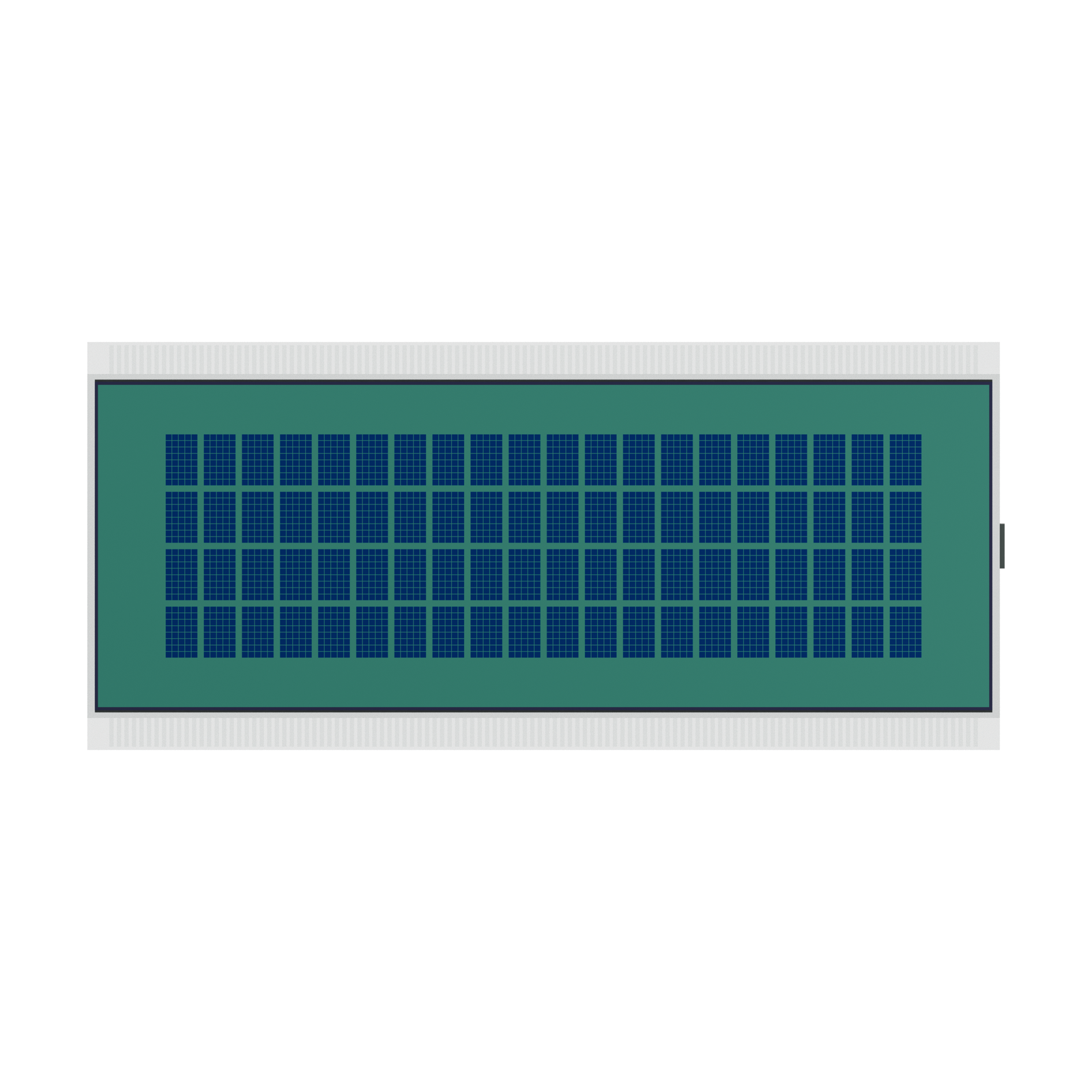
STN yellow green LCD example

STN Yellow Green

STNMatrix display
04
STN blue mode LCD example

STN Blue Mode

Text displayControl panel
05
STN grey mode LCD example

STN Grey Mode

Neutral backgroundMetering
06
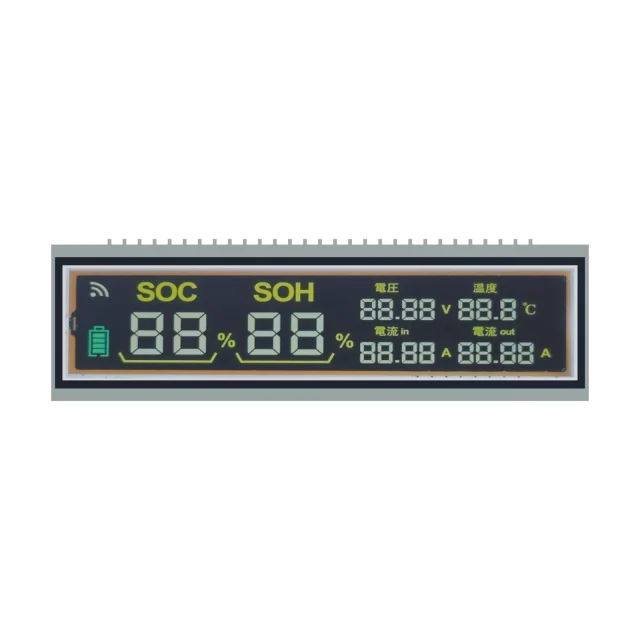
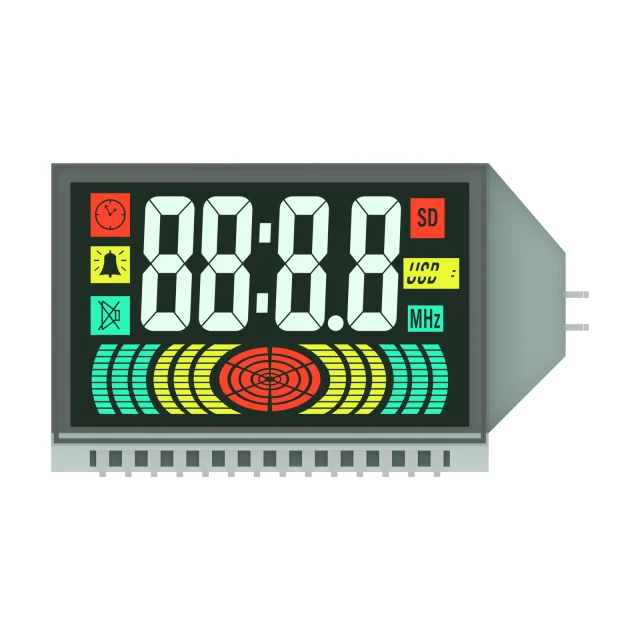
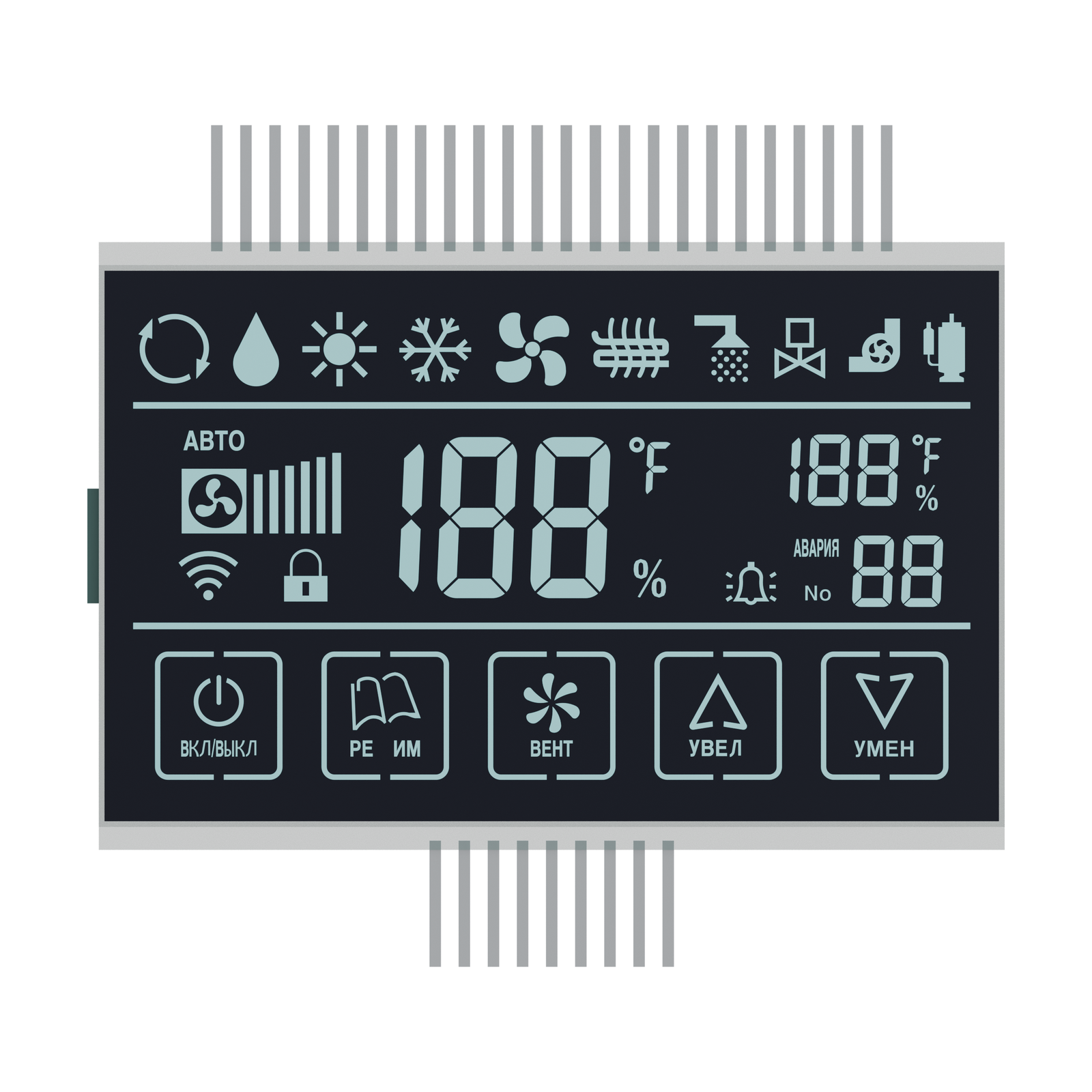
VA high contrast LCD example

VA High Contrast

Black backgroundStrong contrast
07
VA LCD with silk screen icons

VA With Silk Screen

Custom iconsPrinted mask
08
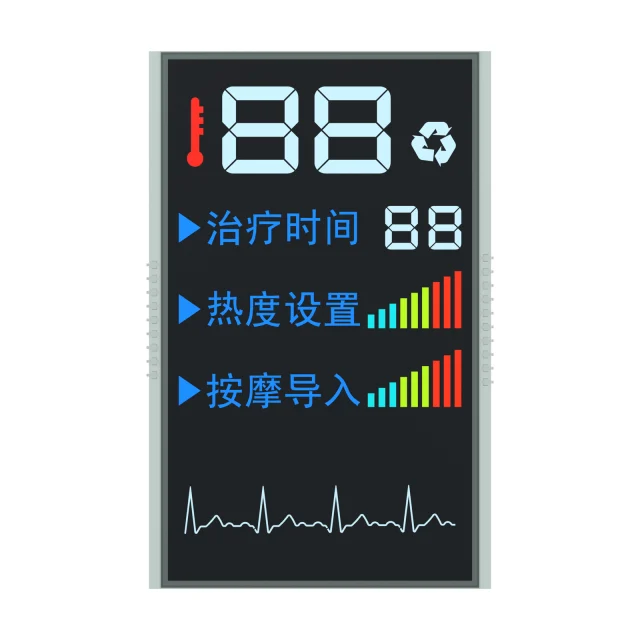
FSLCD color display example

FSLCD Color Display

Color sequenceCustom effect
09
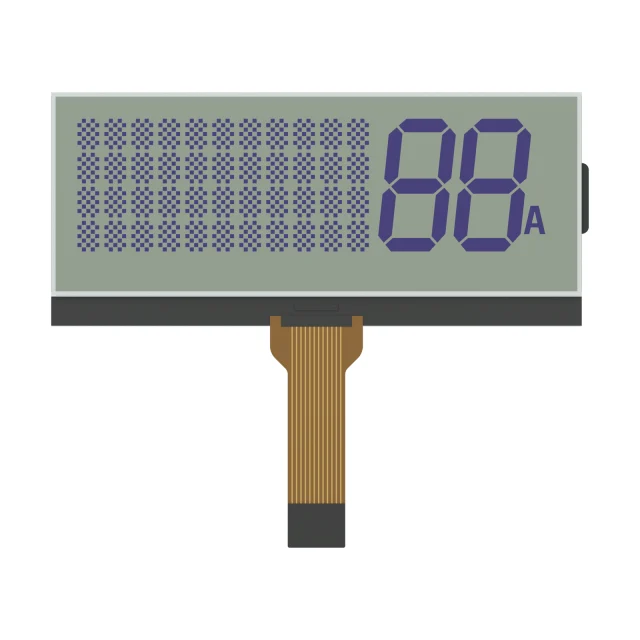
Segment and dot matrix LCD example

Segment + Dot Matrix

Mixed contentHandheld device
10
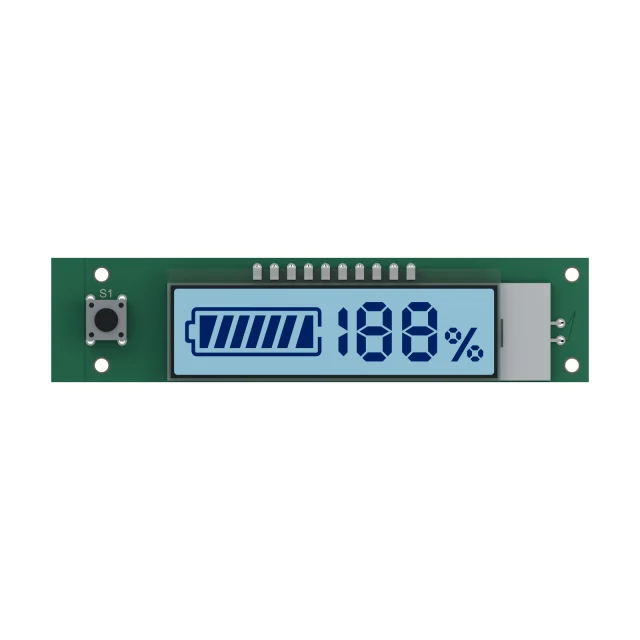
Custom LCM module example

Custom LCM Module

Module assemblyEmbedded system
11
Outdoor VA LCD example

Outdoor VA LCD

Outdoor useReadability review
12
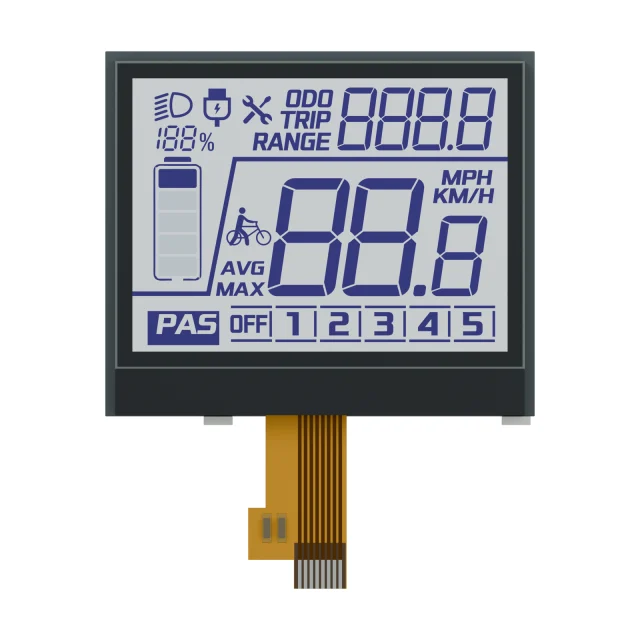
Automotive VA LCD display example

Automotive VA LCD

Vehicle panelInstrument display

Selection guide

Mono LCD or TFT LCD?

Mono LCD fits projects where fixed information, low power, custom glass shape or long-term display consistency matter more than color graphics.

Decision Point Mono LCD / LCM TFT LCD Module
Display content Digits, icons, symbols, simple text and fixed layouts. Color graphics, images, icons, menus and richer UI layouts.
Power profile Often lower power, especially reflective or simple backlight designs. Usually higher power because of active matrix panel and backlight needs.
Mechanical shape More flexible custom glass outline, icons and window layout. Usually based on rectangular active area and standard module frame.
Use case Meters, appliances, controls, instruments, vehicle panels and low-power devices. Industrial HMI, medical screens, smart devices and visual control panels.

RFQ preparation

What to Send for a Mono LCD Review

A clear request helps identify the right LCD mode, IC direction, tooling scope and module structure.

Display Layout

Segment drawing, icon list, dot matrix area, view area, glass outline and target appearance.

Electrical Requirements

Duty, bias, driving voltage, controller preference, pinout, connector and backlight needs.

Application Conditions

Operating environment, viewing direction, product enclosure, expected volume and lifecycle needs.

Need a Custom Mono LCD Direction?

Send your display drawing, target appearance, driving requirements and application environment. We will review the suitable Mono LCD or LCM structure.

Send Mono LCD RFQ

Mono LCD and LCM Selection Points for OEM Devices

Mono LCD modules are still a practical choice for meters, instruments, controllers and cost-sensitive equipment. The right structure depends on readability, contrast, temperature, segment layout, backlight, driver IC and assembly method.

Option When it fits RFQ details to prepare
TN / HTN LCD Simple segment displays, cost-sensitive devices and stable indoor viewing. Segment drawing, viewing direction, operating voltage, duty and bias.
STN / FSTN LCD Better contrast or dot-matrix displays for instruments and control panels. Resolution, display mode, polarizer type, backlight color and temperature range.
VA LCD High contrast black-background displays for appliances, controls and premium panels. Icon layout, negative mode requirement, backlight color and cosmetic expectations.
COG / COB / custom LCM Projects that need an integrated driver, PCB, connector, backlight or bezel path. IC preference, PCB outline, connector, cable length, mounting and annual quantity.

If you are replacing an old mono LCD or LCM, send the current drawing, sample photos, pinout, IC marking and application environment. That allows the review to focus on fit, electrical compatibility and production risk.

Scroll to Top
Send RFQProducts