
About SuccessLCD
About SuccessLCD: LCD Module Manufacturer and Supplier
SuccessLCD is an LCD module manufacturer and supplier serving OEM and ODM equipment projects. Our product range includes TFT LCD modules, monochrome LCD and LCM modules, touch panels, custom cover lenses and optical-bonding options. SuccessLCD is the operating brand of Hong Kong Success Intelligence Company Limited.
How we work
LCD Manufacturing and Supply for OEM Projects
LCD selection is rarely only about a panel. Interface compatibility, FPC direction, optical performance, touch integration, cover-lens details, mechanical fit and lifecycle risk all affect whether a design can move forward smoothly.
As a manufacturer and supplier, SuccessLCD brings product selection, customization, sample review and production supply into one LCD project workflow. We work with authorized manufacturing partners for the processes and production arrangements agreed for each project.
Project review
From LCD Requirements to Samples and Production Supply
The goal is to surface important fit and lifecycle questions early, while there is still room to make informed decisions.
Define the Requirement
Start with size, resolution, interface, brightness, operating environment, touch needs and mechanical constraints.
Review the Display Stack
Compare standard and adapted module paths, then identify interface, FPC, cover lens, bonding or optical considerations.
Align Sample Checks
Use the project requirements to review appearance, electrical behavior, mechanical fit and relevant validation points.
Confirm Production Requirements
Confirm the approved drawing revision, sample criteria, inspection requirements, packaging, order quantity and delivery schedule before production.
Project scope
LCD Modules and Display Assemblies We Supply
TFT LCD Modules
Review display size, resolution, interface, brightness and mechanical fit for equipment and embedded-device projects.
Mono LCD and LCM
Evaluate monochrome display routes for meters, instruments, control panels and other long-life applications.
Touch, Cover Lens and Optics
Consider touch integration, cover-lens requirements, surface treatment and optical-stack decisions as one system.
- Interface and host-board compatibility review
- Brightness, glare and viewing-environment discussion
- FPC direction, outline and enclosure-fit questions
- Replacement and lifecycle-risk review for existing modules
Testing and inspection context
Testing and Inspection for LCD Qualification
The equipment shown below is used by authorized manufacturing partners for testing and inspection. Ask us to confirm the applicable test method, acceptance criteria and available records for your selected module; the required inspection scope is agreed during project qualification.
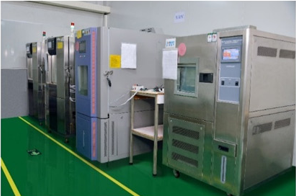
Controlled Environment Review
Environmental conditions can be considered where a project requires defined validation.

ESD Review Context
Static-discharge considerations can be discussed for touch and electronic interfaces.
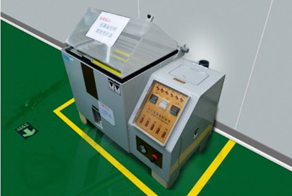
Corrosion Review Context
Exposure risks can be considered for relevant outdoor and transport equipment.
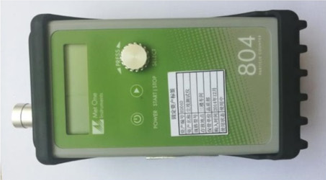
Dust Exposure Context
Housing and sealing questions can be reviewed for harsh-use environments.
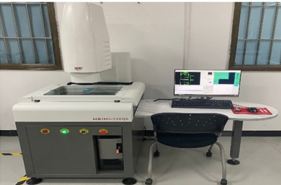
Dimensional Inspection
Outline, glass and mechanical-fit points can be reviewed against project constraints.
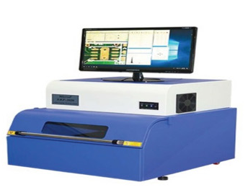
Optical Stack Review
Layer and optical-material questions can be considered during display-stack review.
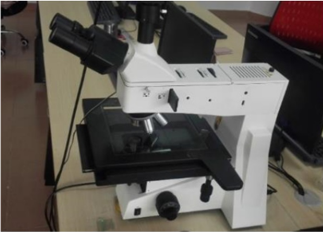
Microscope Inspection
Connection and bonding details can be included in sample-review discussions.
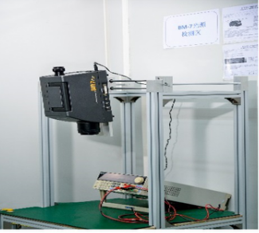
Optical Measurement Context
Brightness, color and viewing requirements can be reviewed for product fit.
Partner quality documentation
Certificate References from an Authorized Supply-Chain Partner
These documents are held by Success Electronics Ltd, an authorized supply-chain partner of Hong Kong Success Intelligence Company Limited. They do not represent certifications held by Hong Kong Success Intelligence Company Limited. The dates below are transcribed from the displayed certificate copies. Confirm current status, full scope and the applicable production site with the issuing body before relying on a certificate for supplier qualification.
 IATF 16949:2016Holder: Success Electronics LtdCertificate: RA02-0531/2025; IATF 0576691Design and manufacture of LCD modulesIssued: 2025-06-26
Expiry shown: 2028-06-25
 ISO 9001:2015Holder: Success Electronics LtdCertificate: ZRC25Q0160R1MDesign and manufacture of LCDs and LCD modulesIssued: 2025-05-22
Expiry shown: 2028-05-21
 ISO 14001:2015Holder: Success Electronics LtdCertificate: ZRC25E0139R1MEnvironmental management for LCD and LCD module design and manufactureIssued: 2025-05-22
Expiry shown: 2028-05-21
 IECQ QC 080000:2017Holder: Success Electronics LtdCertificate: IECQ-H POSI 26.0069Hazardous substance process management for LCD and LCD module design and manufactureIssued: 2026-03-26
Expiry shown: 2029-03-25
How we think
Keep the Details Visible Before They Become Project Problems
Clear drawings, agreed sample criteria and controlled specifications help an LCD project move from engineering review to repeat orders. We focus on the details that affect fit, display performance and production supply.
Process Awareness
Keep important production and documentation questions visible early.

Technical Alignment
Discuss interface, optical-stack and mechanical constraints clearly.
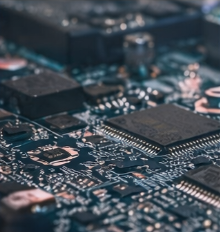
Integration Thinking
Review the LCD module, touch, cover lens and enclosure as one stack.

Lifecycle Awareness
Consider replacement risk and controlled changes before production dependency grows.
Buyer questions
Before You Send an LCD Module RFQ
Is SuccessLCD a manufacturer and supplier?
Yes. SuccessLCD manufactures and supplies LCD modules for OEM and ODM projects, including TFT LCD, monochrome LCD and LCM, and touch display assemblies. Manufacturing arrangements and the applicable quality documents are confirmed for the selected product and production site.
What are the MOQ, sample lead time and production lead time?
These depend on the selected module, customization, material availability and order quantity. Send your drawing or module number, sample quantity, estimated annual demand and required delivery date so we can confirm the applicable MOQ and lead times in a project quotation.
What quality evidence should I request before placing an order?
Ask for the controlled module specification, approved sample criteria, applicable inspection and reliability records, and the certificate for the proposed production site. Confirm the document revision, holder and scope against your project requirements.
What information helps an LCD project review start?
Share the display size, resolution, interface, target brightness, operating environment, touch or cover-lens needs, mechanical limits, project stage and any existing module number.
Can a standard module be adapted for an OEM project?
That depends on the display stack and the project constraints. Interface, FPC, backlight, touch, cover lens, optics and enclosure fit should be reviewed before a path is selected.
How should a discontinued LCD replacement project begin?
Start with the original module number, drawings, interface information, mechanical dimensions, optical requirements and lifecycle context. A replacement should be reviewed for compatibility rather than assumed from size alone.
Ready to Review an LCD Module Requirement?
Send the details you have. A clear starting specification helps identify the right product and engineering questions early.


