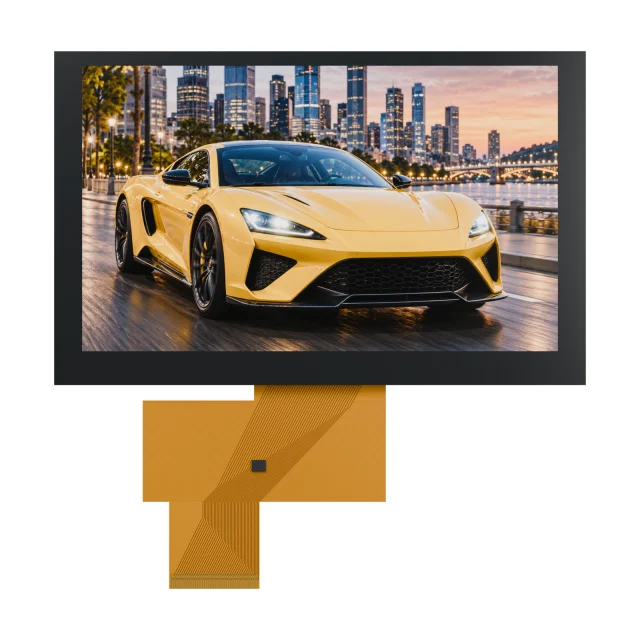
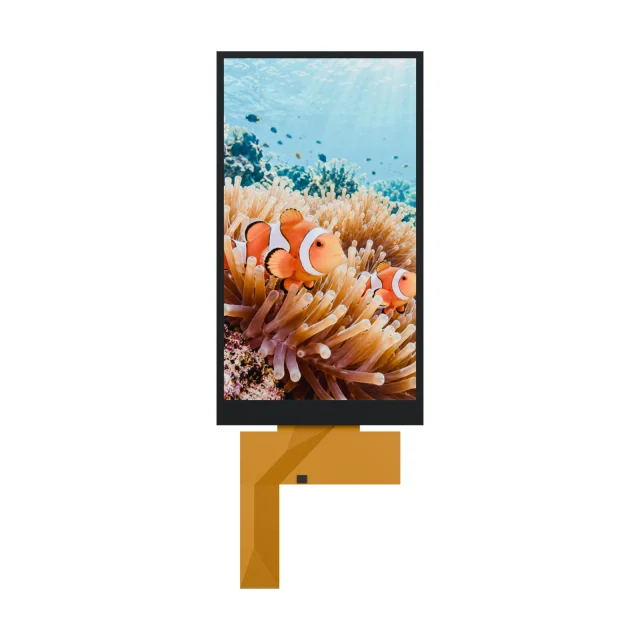
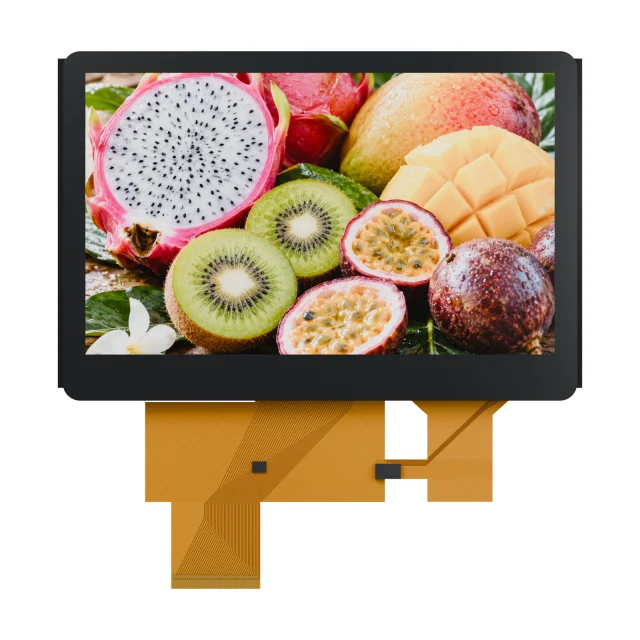
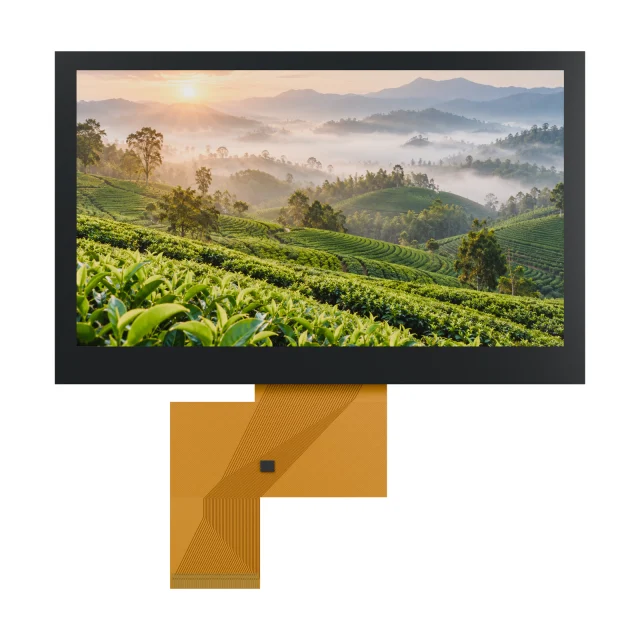
TFT LCD modules
Custom TFT LCD Modules
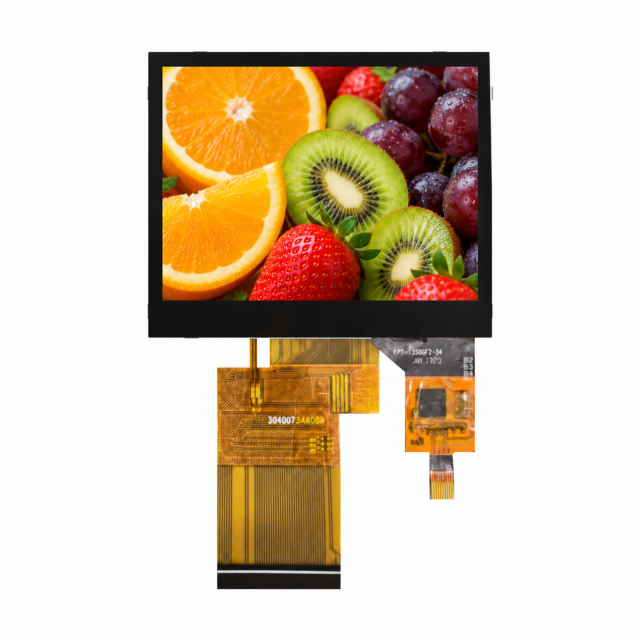
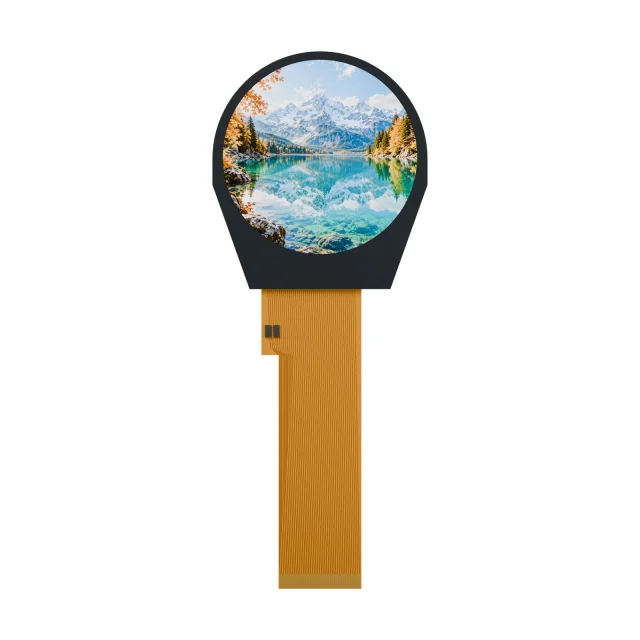
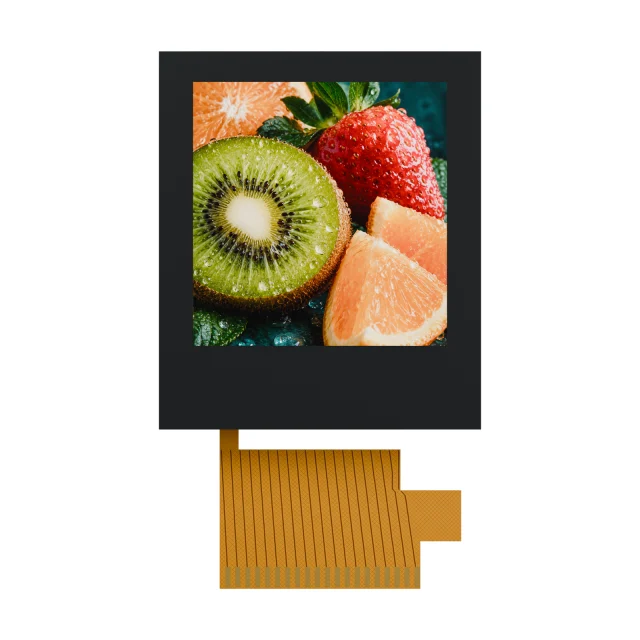
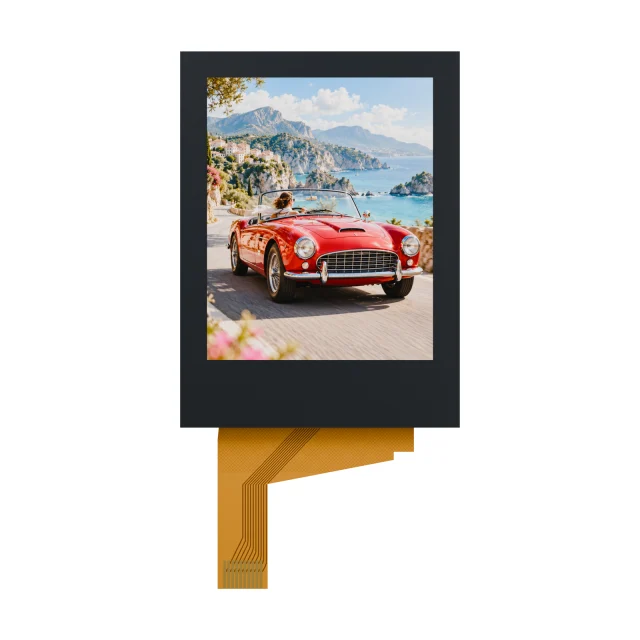
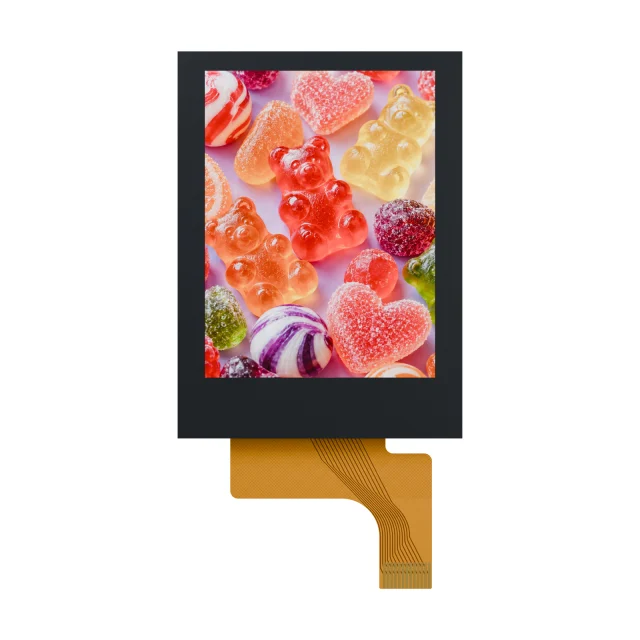
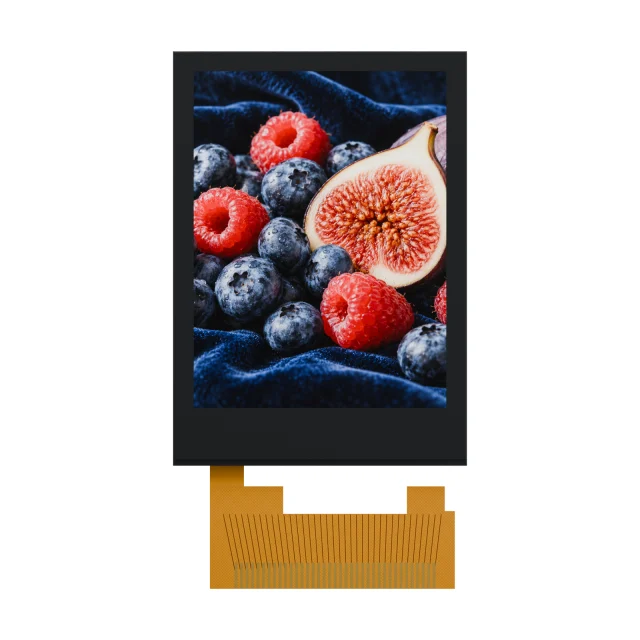
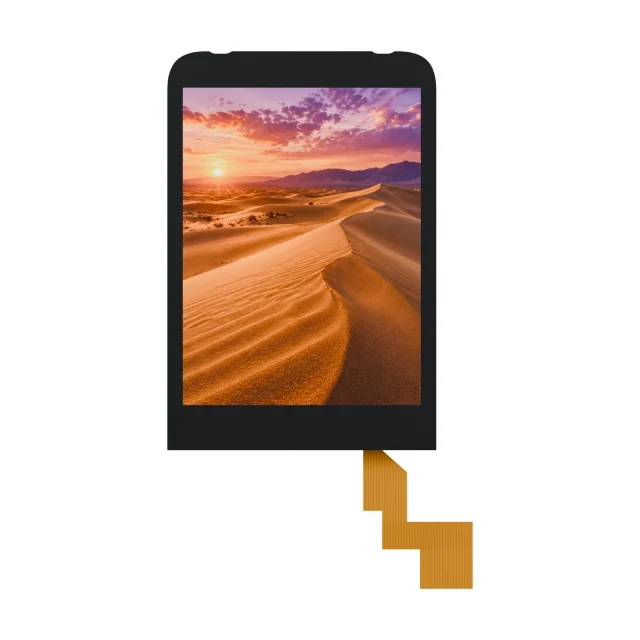
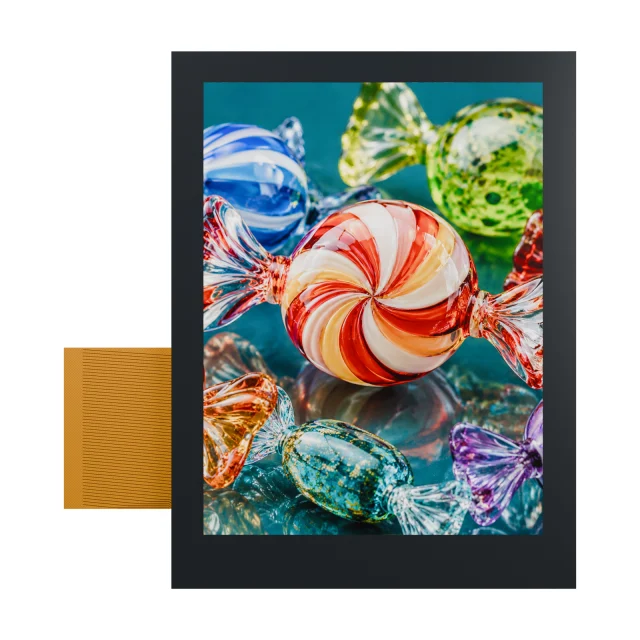
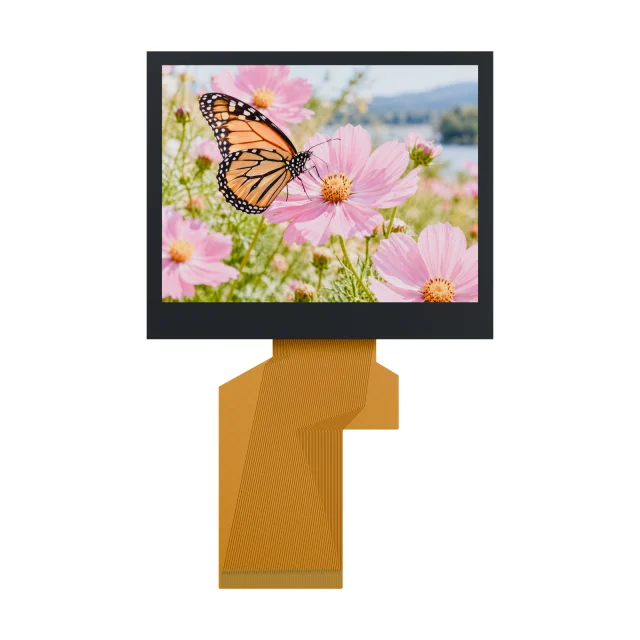
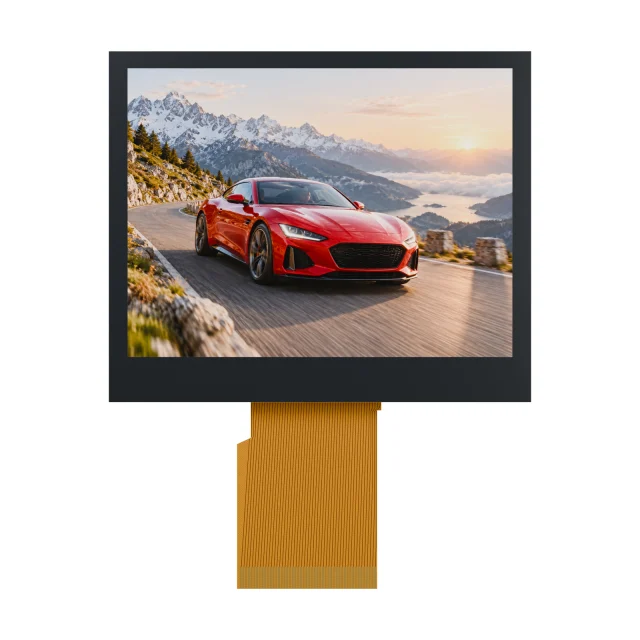
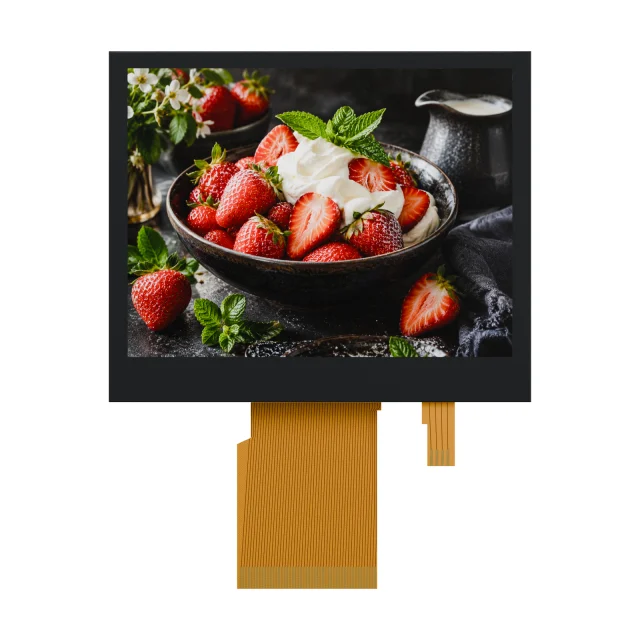
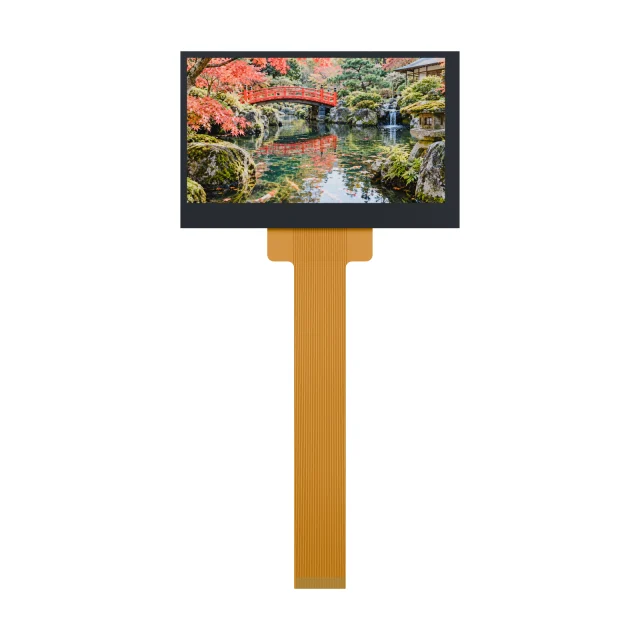
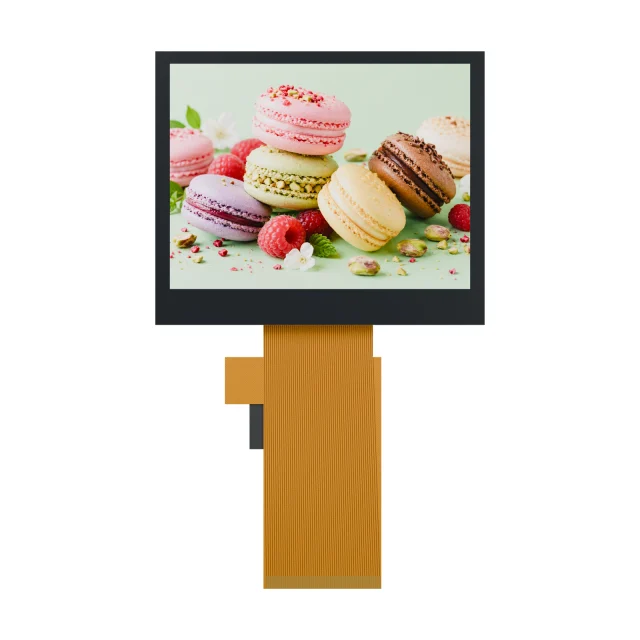
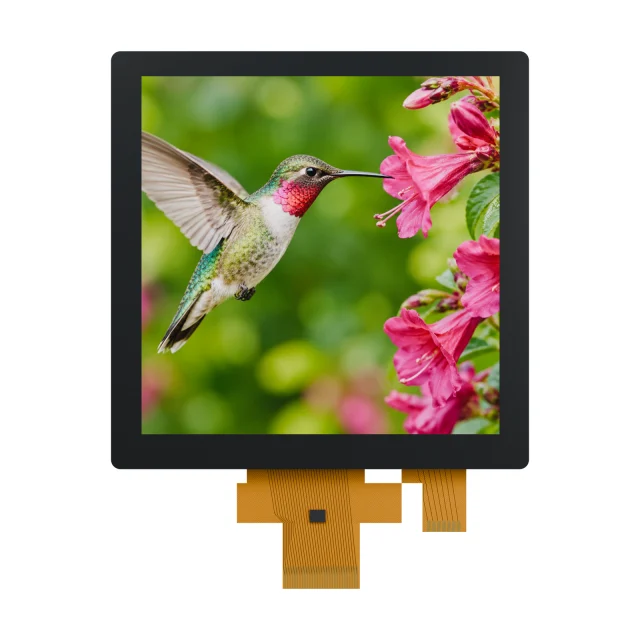
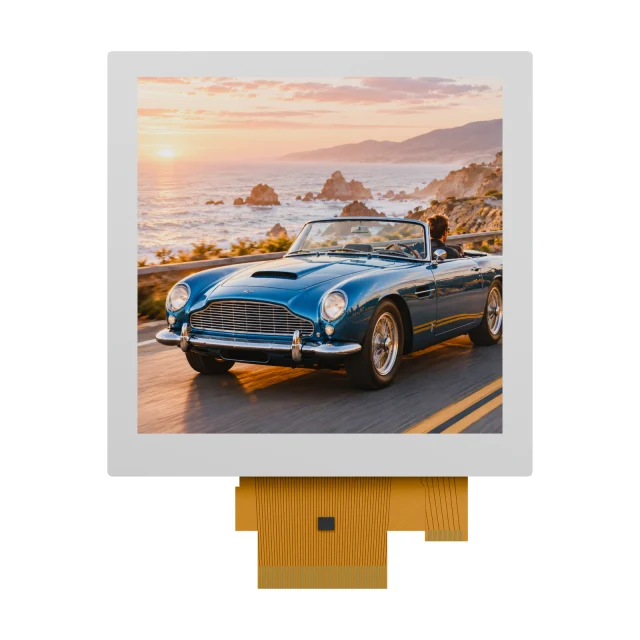
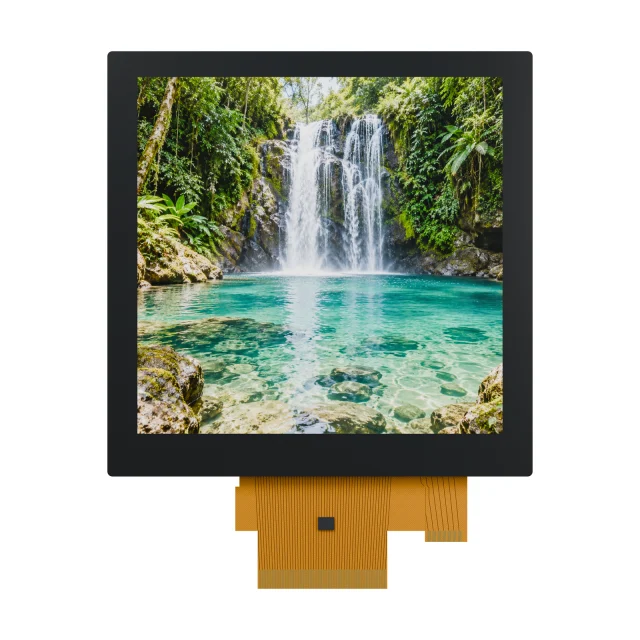
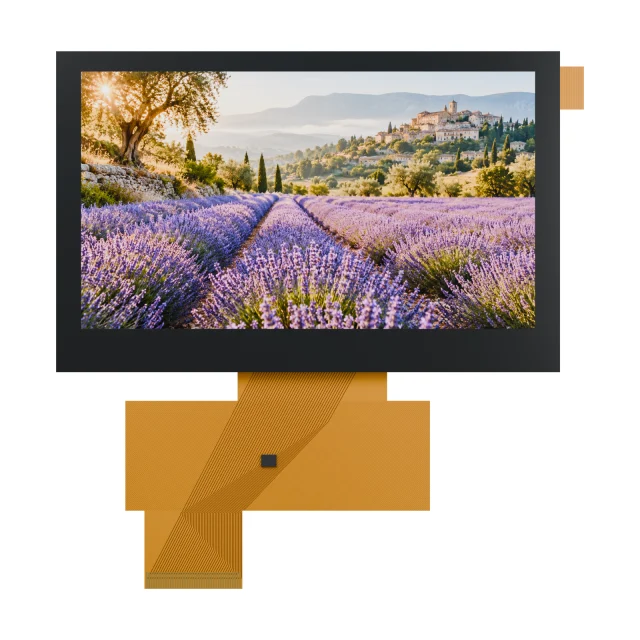
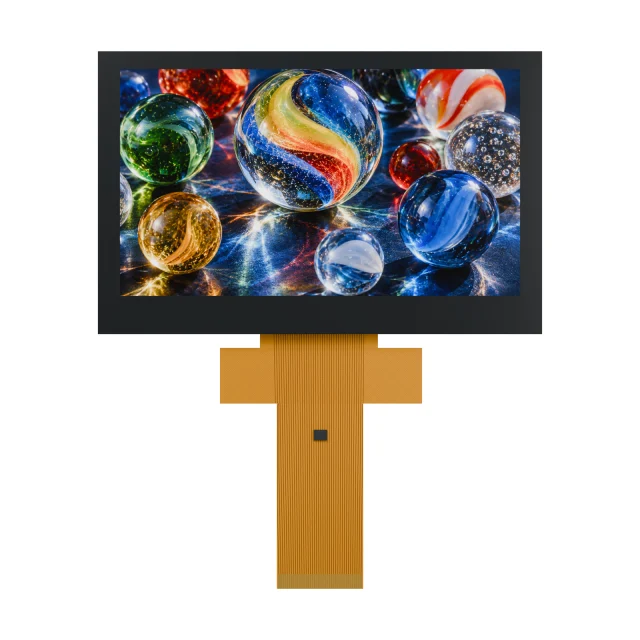
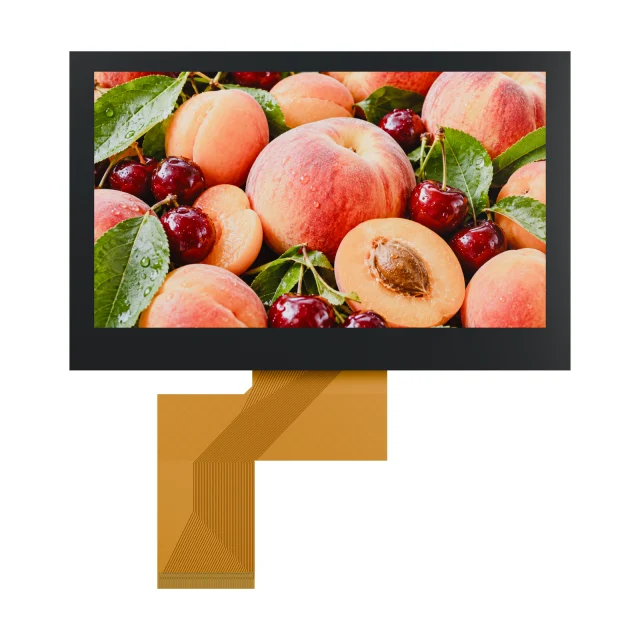
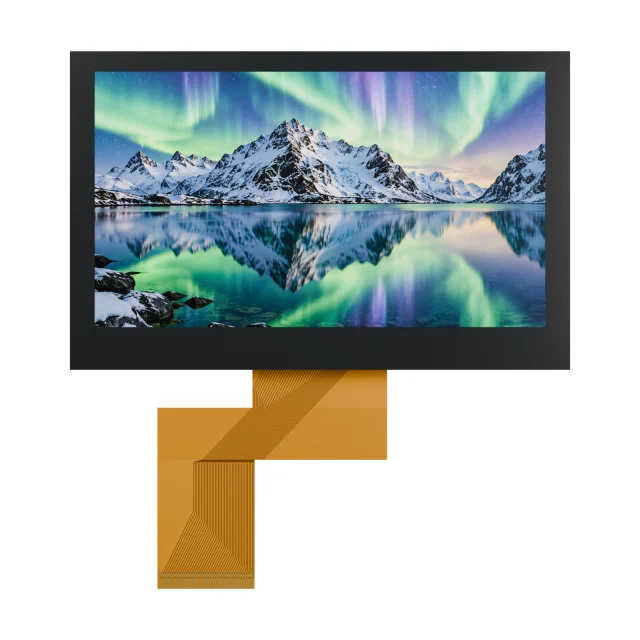
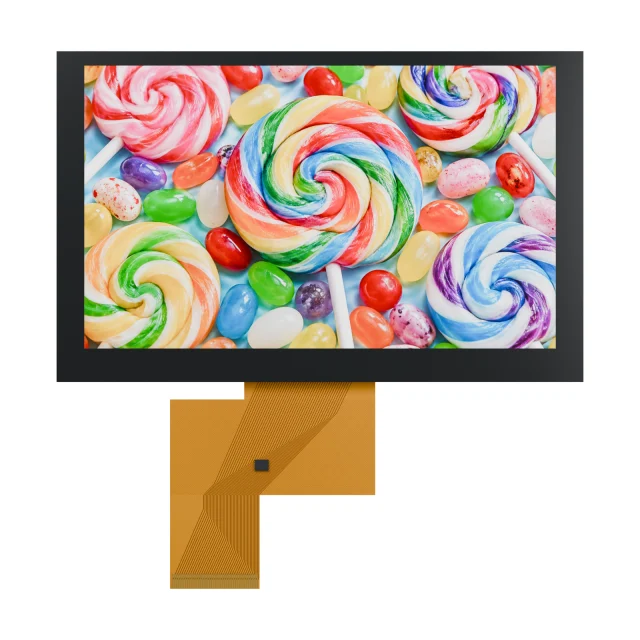
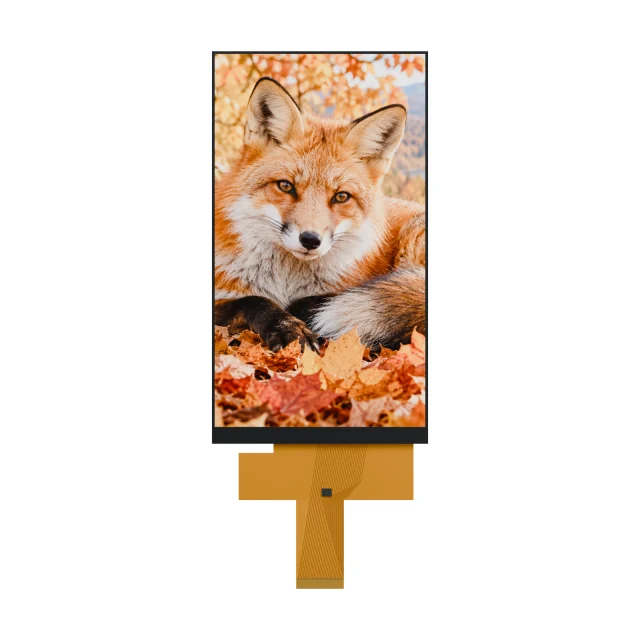
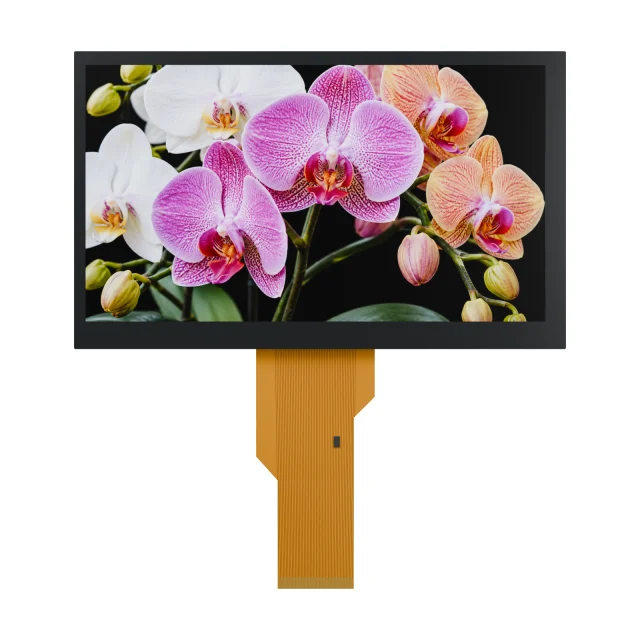
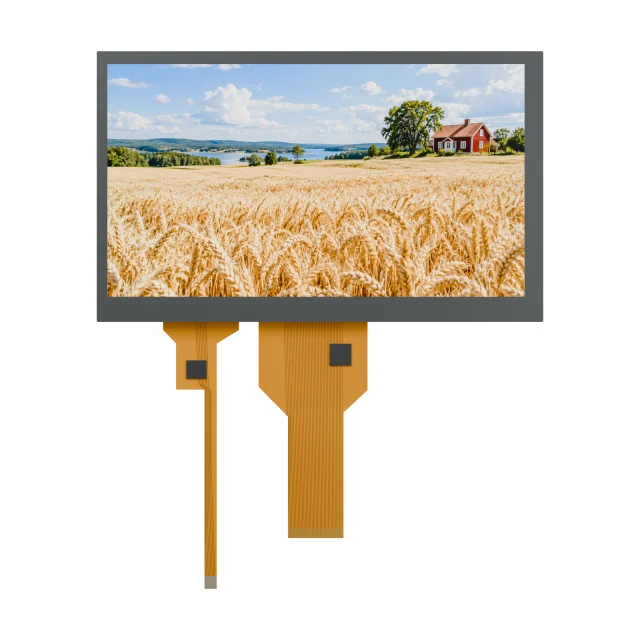
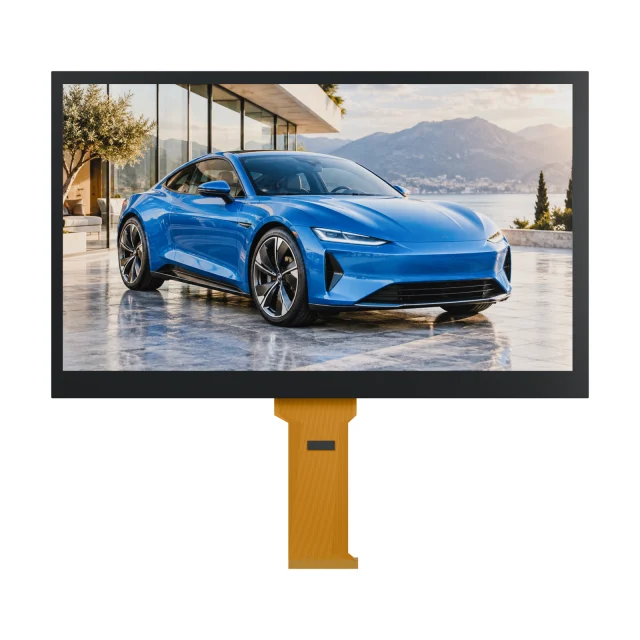
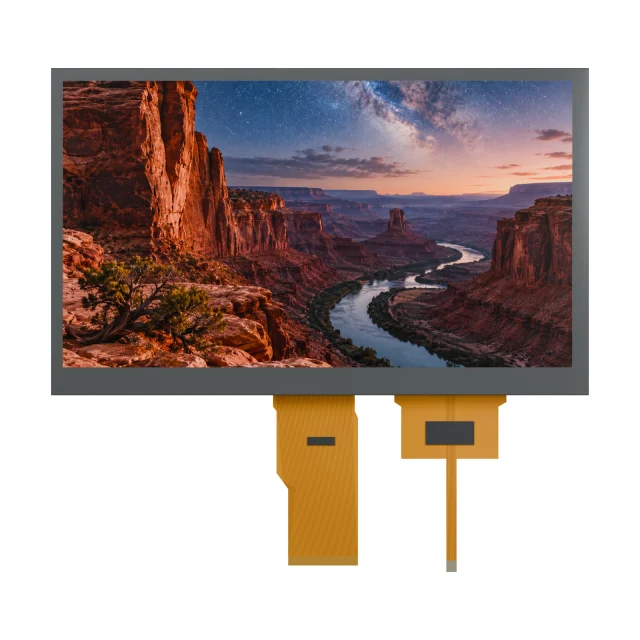
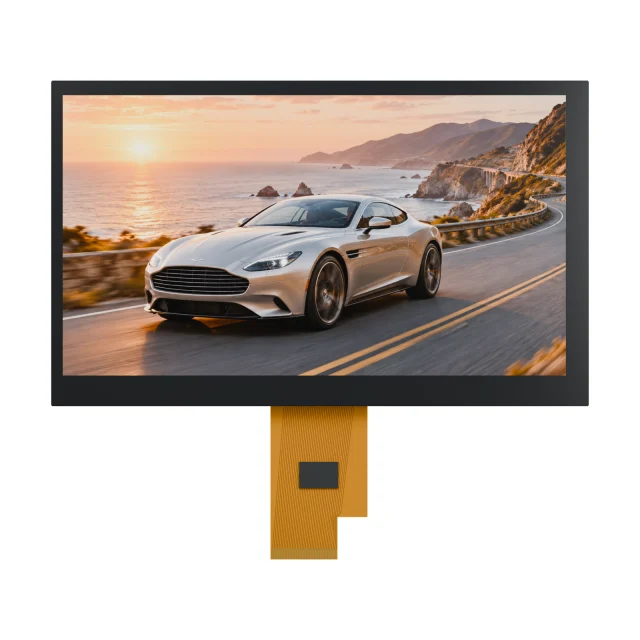
Standard and custom TFT LCD modules from 0.96 inch to 15.6 inch for OEM and ODM products. Confirm size, interface, brightness, touch, cover lens and bonding before RFQ.
Product paths
Start With the Display Environment
Different projects need different TFT structures. Choose the closest path first, then confirm detailed electrical and mechanical requirements.
High Brightness TFT LCD Modules
For projects that need higher backlight luminance, thermal review and clear indoor or semi-outdoor visibility.
View guide Published guideSunlight Readable TFT Displays
For outdoor readability where brightness, contrast, optical bonding, cover glass and surface treatment work together.
View outdoor path Published guideWide Temperature TFT LCD Modules
For products exposed to cold start, heat, storage limits or industrial operating temperature requirements.
View temperature path Published guideIndustrial TFT LCD Displays
For HMI, automation, instruments and rugged devices that need stable supply and enclosure-level review.
View industrial pathEngineering scope
TFT Module Decisions to Confirm Early
A good TFT LCD choice is not only about diagonal size. Interface, brightness, viewing angle, touch stack and connector details all affect fit, cost and production risk.
- Display formatDiagonal size, active area, resolution and viewing direction.
- InterfaceSPI, MCU, RGB, LVDS, MIPI DSI or eDP, depending on host board requirements.
- Panel structureIPS or TN options selected by viewing angle, cost and product use.
- BrightnessIndoor, high-brightness and outdoor-facing backlight requirements.
- Touch optionNo touch, resistive touch or projected capacitive touch.
- Front stackCover lens, AG/AR/AF coating, air gap or optical bonding review.
- FPC and connectorPin definition, cable direction, tail length and mechanical clearance.
- EnvironmentCommercial, industrial or wide-temperature operating conditions.
Size reference
Standard TFT LCD Module Size Range
Use these common module formats as a starting point. Interface, brightness, touch panel and mechanical details can be reviewed after the size range is selected.

0.96 inch TFT LCD Module

1.54 inch TFT LCD Module

2.4 inch TFT LCD Module

2.8 inch TFT LCD Module

3.5 inch TFT LCD Module

4.3 inch TFT LCD Module

5.0 inch TFT LCD Module

6.8 inch TFT LCD Module

7.0 inch TFT LCD Module

8.0 inch TFT LCD Module

12.3 inch TFT LCD Module

15.6 inch TFT LCD Module
Selection guide
TFT LCD or Mono LCD?
The right display family depends on UI complexity, power budget, sunlight readability and interface bandwidth.
| Decision Point | Color TFT LCD Module | Mono LCD / LCM |
|---|---|---|
| UI layout | Suited for color graphics, icons, images and higher resolution interfaces. | Suited for fixed segments, characters, simple status icons and low data screens. |
| Interface | Often uses RGB, LVDS, MIPI DSI, eDP, MCU or SPI depending on size. | Often uses low-pin serial or simple parallel interfaces. |
| Power use | Higher power draw because of active color panel and backlight needs. | Lower power draw, especially reflective or transflective structures. |
| Outdoor readability | Needs brightness, contrast, optical bonding or cover lens review. | Can perform well in sunlight when reflective structure fits the product. |
RFQ preparation
What to Send for a Faster TFT LCD Review
A clear request helps engineering narrow the module direction without unnecessary back-and-forth.
Display Requirement
Size, active area, resolution, brightness target, viewing direction and target application.
Electrical and Mechanical Fit
Host interface, pin map, connector direction, FPC length, PCB limits and enclosure window.
Front Stack and Environment
Touch panel, cover lens, coating, optical bonding, operating temperature and expected volume.
Related guides
Related TFT LCD Selection Guides
Use these practical guides to confirm module fit, RFQ details and interface direction before sampling.
How to Choose a TFT LCD Module for Industrial HMI Projects
Review size, resolution, interface, readability, touch, environment and lifecycle before selecting a display module.
What to Include in a TFT LCD Module RFQ
Prepare display size, interface, brightness, touch, FPC, operating environment and volume details for quotation.
TFT LCD Interface Guide: RGB vs LVDS vs MIPI vs SPI
Compare interface options by pin count, bandwidth, cable fit, EMI behavior and firmware effort before choosing a module path.
Need a TFT LCD Module Direction?
Send the display size, resolution, interface, brightness target and project environment. We will review the closest standard or custom TFT LCD module path.
Before selecting a TFT LCD module, engineers can review how the TFT backplane is built in our TFT-LCD Array process guide.
TFT LCD Engineering Guides
Use these guides to confirm module selection, interface direction, RFQ details and TFT array basics before sampling or tooling.
- Manufacturing TFT LCD module manufacturing process guide
- Selection How to choose a TFT LCD module for industrial HMI projects
- RFQ What to include in a TFT LCD module RFQ
- Interface TFT LCD interface guide: RGB, LVDS, MIPI DSI, and SPI
- Application Automotive HUD TFT LCD display technology guide
- TFT Array TFT-LCD Array process guide
- Materials TFT-LCD Array materials guide
TFT LCD Module Specification Matrix for OEM RFQ
A custom TFT LCD module review should start with the electrical, optical and mechanical decisions that affect tooling, sampling, reliability and long-term supply. Use the table below to prepare a clearer RFQ before comparing standard, modified or fully custom display paths.
| Decision area | Options to define | Why it matters for OEM projects |
|---|---|---|
| Size and resolution | 0.96 to 15.6 inch modules, active area, outline size, pixel resolution and viewing direction. | These values decide enclosure fit, UI density, controller choice and whether a standard platform can be reused. |
| Interface | SPI, MCU, RGB, LVDS or MIPI, plus voltage, pin count, connector direction and cable length. | The interface affects PCB design, firmware workload, signal distance, EMI risk and display refresh performance. |
| Brightness and readability | Indoor brightness, high brightness, sunlight-readable stack, viewing angle and optical bonding need. | Outdoor and industrial equipment often need stronger backlight design, thermal review and anti-glare front stack choices. |
| Touch and cover lens | RTP or PCAP touch, cover lens material, AG/AR/AF surface, thickness, logo window and bonding method. | The front stack changes durability, readability, sealing, glove use, cleaning method and final assembly risk. |
| Reliability and lifecycle | Operating temperature, storage temperature, vibration, backlight lifetime, supply continuity and replacement needs. | B2B devices need stable production support, not only a sample that works once in the lab. |
Standard, modified or full custom?
Start with a standard TFT module when the outline, resolution and interface already fit. Choose a modified module when FPC, backlight, touch, cover lens or bonding needs to change. Reserve full custom TFT LCD development for projects where the mechanical, optical or lifecycle requirements cannot be solved with an existing platform.
What to send for faster review
- Target size, resolution, interface and controller platform.
- Mechanical drawing, enclosure opening or current display part number.
- Brightness target, operating temperature and application environment.
- Touch, cover lens, FPC, connector and optical bonding requirements.
- Sample quantity, forecast quantity, timeline and lifecycle expectation.
Interface and Environment Paths
| Project situation | Useful page to review | Next engineering question |
|---|---|---|
| You are choosing between RGB, LVDS, MIPI, SPI or MCU. | LCD interface comparison guide | What resolution, cable length, controller and EMI environment does the product use? |
| The product will be used outdoors or under strong ambient light. | Sunlight readable TFT displays and sunlight readability engineering guide | Is the target solved by high brightness alone, or is optical bonding and cover lens treatment needed? |
| The device needs industrial HMI reliability. | Industrial TFT LCD display modules and LCD backlight module guide | What operating temperature, touch use, backlight life and lifecycle support are required? |
| The front surface needs touch, cover lens or optical bonding. | Touch panel and cover lens solutions | Does the application need RTP, PCAP, AG/AR/AF, glass thickness or sealed bonding? |
Custom TFT LCD Module FAQ
Can an existing TFT LCD module be customized without full panel tooling?
Yes. Many OEM projects can start from an existing TFT platform and customize the FPC, connector, backlight, touch panel, cover lens, optical bonding or mechanical integration path. This is often faster and lower risk than full custom panel development.
Which TFT LCD interface should an OEM project choose?
Small and lower-data displays may use SPI or MCU, while higher-resolution embedded displays often use RGB, LVDS or MIPI. The right choice depends on resolution, cable distance, controller capability, EMI environment and firmware resources.
What information is required before a TFT LCD quotation?
At minimum, send the target size, resolution, interface, brightness, operating temperature, touch or cover lens needs, mechanical constraints, sample quantity, annual forecast and lifecycle expectation. Drawings and current display part numbers help speed up review.
Need a supplier review checklist before RFQ?
Use the 2026 LCD sourcing checklist to review brightness, interface, touch stack, bonding, lifecycle and replacement risk before sample approval or mass production planning.
Define TFT LCD requirements before board layout
For TFT LCD module review, confirm interface, timing, backlight target, viewing direction, touch option, cover lens stack and operating environment before finalizing PCB or enclosure design.
RFQ details to confirm
- Display size, resolution and interface
- Brightness, touch panel, cover lens or bonding needs
- Operating environment, quantity and lifecycle concerns
Buyer questions
Which TFT LCD interface should be reviewed first?
Review the host processor output, resolution bandwidth, pin count, EMI limits and firmware support before choosing RGB, LVDS, MIPI or another interface.
What details help evaluate a TFT LCD module quickly?
Display size, resolution, interface, brightness target, touch requirement, backlight voltage, operating temperature and quantity help narrow feasible modules.